

Hop over to Hong Kong, one of Asia’s hottest destinations that more than lives up to its reputation as the Pearl of the Orient. Located off the northeastern coast of China, there’s so much on offer you’ll have trouble squeezing everything into your itinerary while visiting the world’s fourth-densest city. From daily street markets selling the tastiest morsels to adventure sports that’ll get your blood pumping, this ultimate guide has all the best things to do in Hong Kong for every budget and interest.
Stay on Hong Kong Island for the best nightlife and views of the skyline, or on the Kowloon Peninsula for an authentic experience closer to the most popular museums, temples, and dining staples. Whether you’re traveling for business or pleasure, the city is guaranteed to astound you with the highest thrills (and often at rock-bottom prices) from sun-up to sun-down and beyond. Are you ready for a trip of a lifetime?
*This post contains affiliate links. If you click on a link and make a purchase, I may receive a small commission at no extra cost to you.
1. Marvel at the splendor of Victoria Harbour
2. Take the tram to Victoria Peak
3. Explore markets from sunrise to (well-past) sunset
4. Hitch a ride on the affordable and extensive transport systems
5. Explore Lantau Island, home to Tian Tan Buddha & Ngong Ping Cable Car
7. Eat until you’re as round as a dumpling
8. Plan a picturesque day at the park
9. Visit world-class museums & cultural centers
10. Cross over to Hong Kong’s dark side
11. Go hiking through country parks
12. Get sky-high at Sky100 Hong Kong Observation Deck
14. Party until dawn in Lan Kwai Fong, Knutsford Terrace & beyond
15. Camp in Hong Kong’s great outdoors
16. Shop until you drop from bargains to luxury
17. Take up adventure sports in Sai Kung
18. Work on your tan at the beach
19. Find thrills at Hong Kong’s best adventure parks
1. Marvel at the splendor of Victoria Harbour
If Hong Kong is the Pearl of the Orient, Victoria Harbour is what makes it shine. Delivering an iconic skyline whether you’re on the mainland or across the way of Hong Kong Island, the harbour has functioned as a trading hub for centuries, marking it as the heart of the city. If you’re on Kowloon Peninsula, begin your stroll at the Tsim Sha Tsui Promenade for interrupted views of the neighboring island’s glittering skyscrapers while ferry boats cross back and forth in the foreground. Then, follow the walkway to Bruce Lee’s statue before stumbling upon the Avenue of Stars, a 400-meter section similar to Hollywood’s Walk of Fame, featuring plaques honoring the city’s film legends.
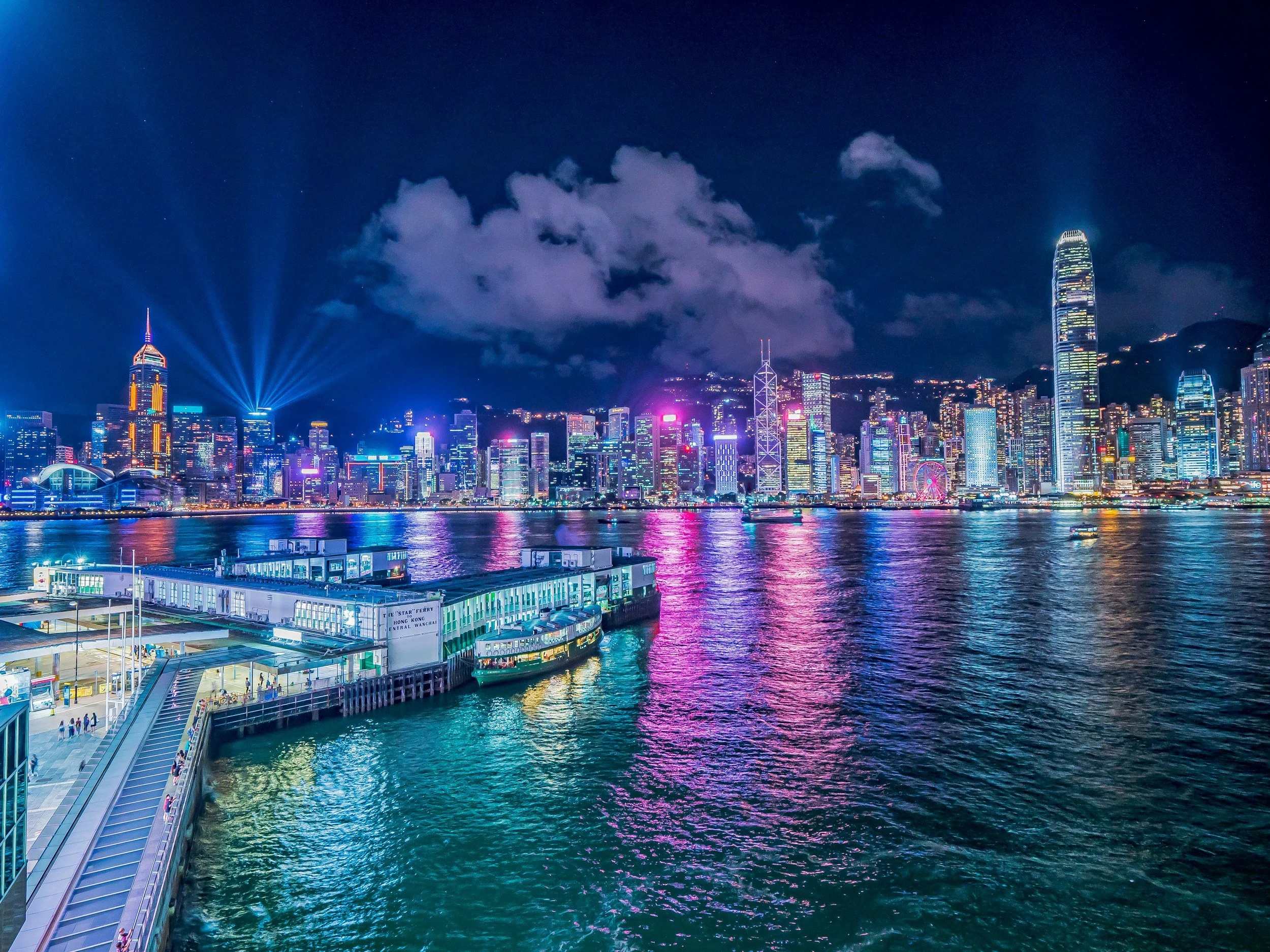
Once darkness falls, the waterfront becomes truly magic as citylights flicker on like a forest of fireflies. Stay until 8 PM to be treated to A Symphony of Lights, a nightly 10-minute music, laser and light show spanning nearly 40 buildings lining both sides of the harbour. It’s entirely free to watch so make sure to snag a prime spot either at the Tsim Sha Tsiu waterfront (outside the Cultural Centre near the clocktower) or the Avenue of Stars before the crowds set in. If viewing from Hong Kong Island, Golden Bauhinia Square in Wan Chai has the most unbeatable views.
PRO TIP: Watch the light show from Kowloon Peninsula rather than Hong Kong Island since the visual and sound effects are better.
2. Take the tram to Victoria Peak
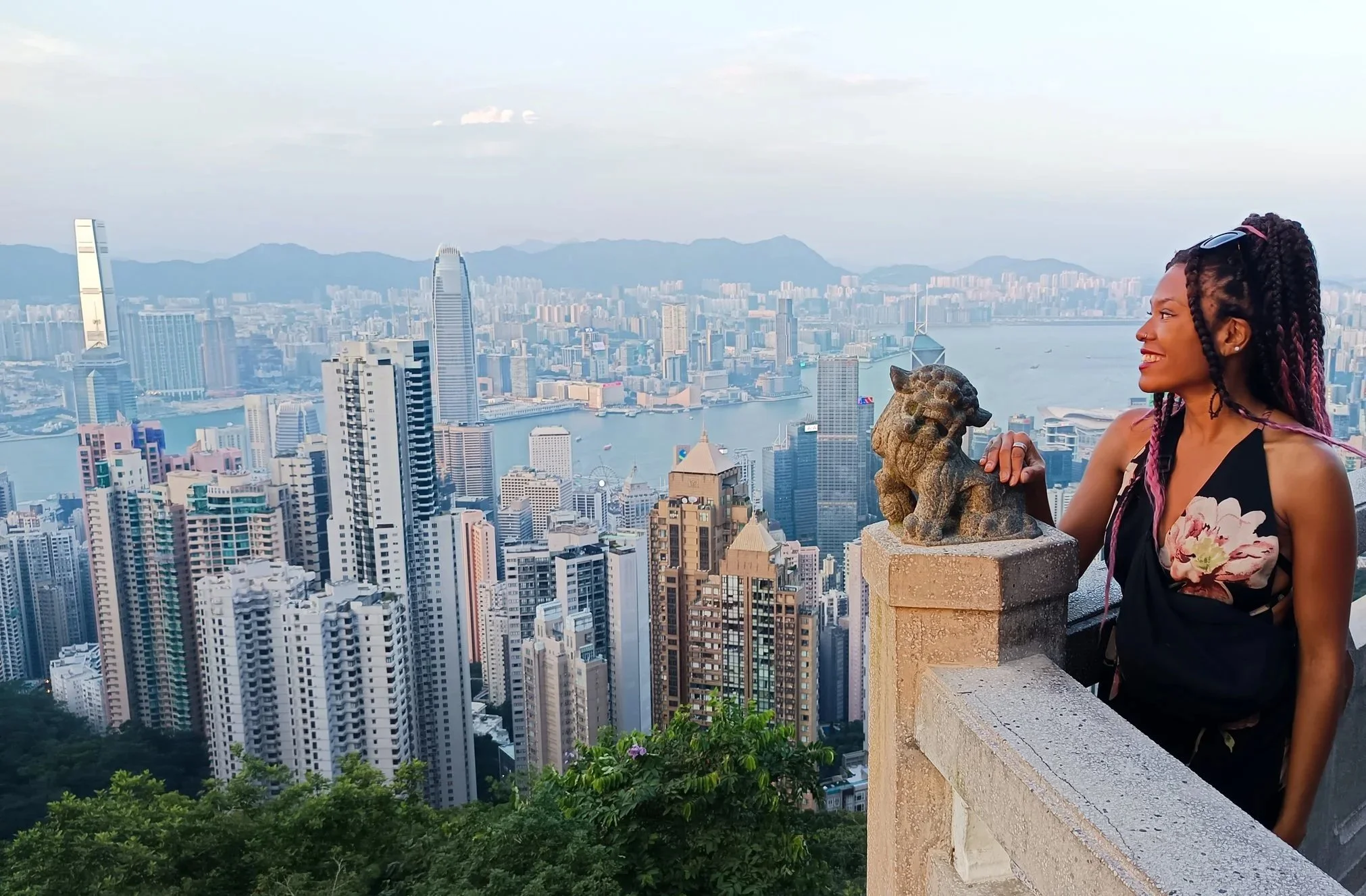
While Victoria Harbour offers stunning vistas along its waterfront, Victoria Peak takes them to another level as perhaps the best photo-op in Hong Kong. In service since 1888, the Peak Tram is one of the city’s most emblematic attractions, providing dramatic views as you ascend around 400 metres above sea level for over 1 km at a gradually steepening angle. The journey takes around 10 minutes, with the tram running daily from 7:30 AM to 11 PM nearly every 15 minutes.

Once you reach the top, wander through Peak Tower, an entertainment complex bursting with shops, restaurants, and exhibitions including Madame Tussauds Hong Kong. For the truly remarkable views, climb further up to Sky Terrace 428, Hong Kong’s highest viewpoint with panoramic vistas of the surrounding cityscape and islands. To access the latter, buy a combined entry/tram ticket and save on fare by paying round-trip at the tram terminus (or book online to skip the lengthy wait time). Upon exiting, you can also explore the nearby Victoria Peak Garden or Victoria Peak Pavillion, though my favorite (and completely free) lookout is Victoria Peak's Lions Pavilion just down Findlay Path. You should head up on weekday mornings to avoid crowds yet there’s nothing like watching the sunset just as the citylights start sparkling.
PRO TIP: There’s free Wi-Fi available at the Peak Tram terminus, the Peak Tower and Sky Terrace 428 so save your mobile data where you can.
3. Explore markets from sunrise to (well-past) sunset
Like many major cities, local markets abound throughout Hong Kong, acting as its vibrant heartbeat. Whether you want to feel the pulse of the city or find budget-friendly souvenirs, you have a slew to choose from, though the best ones all take place on the Kowloon Peninsula (sorry, Islanders!). Temple Street Night Market (Jordan) is arguably the most famous, unbeatable for its lively evening vibes. Starting around 4-5 PM until midnight, expect food stalls selling claypot rice, curry fish balls, local snacks, as well as discounts on electronics, watches, and antiques, plus the occasional masseuse, street performer, or fortune teller. Just remember that prices are negotiable since haggling is part of the fun.
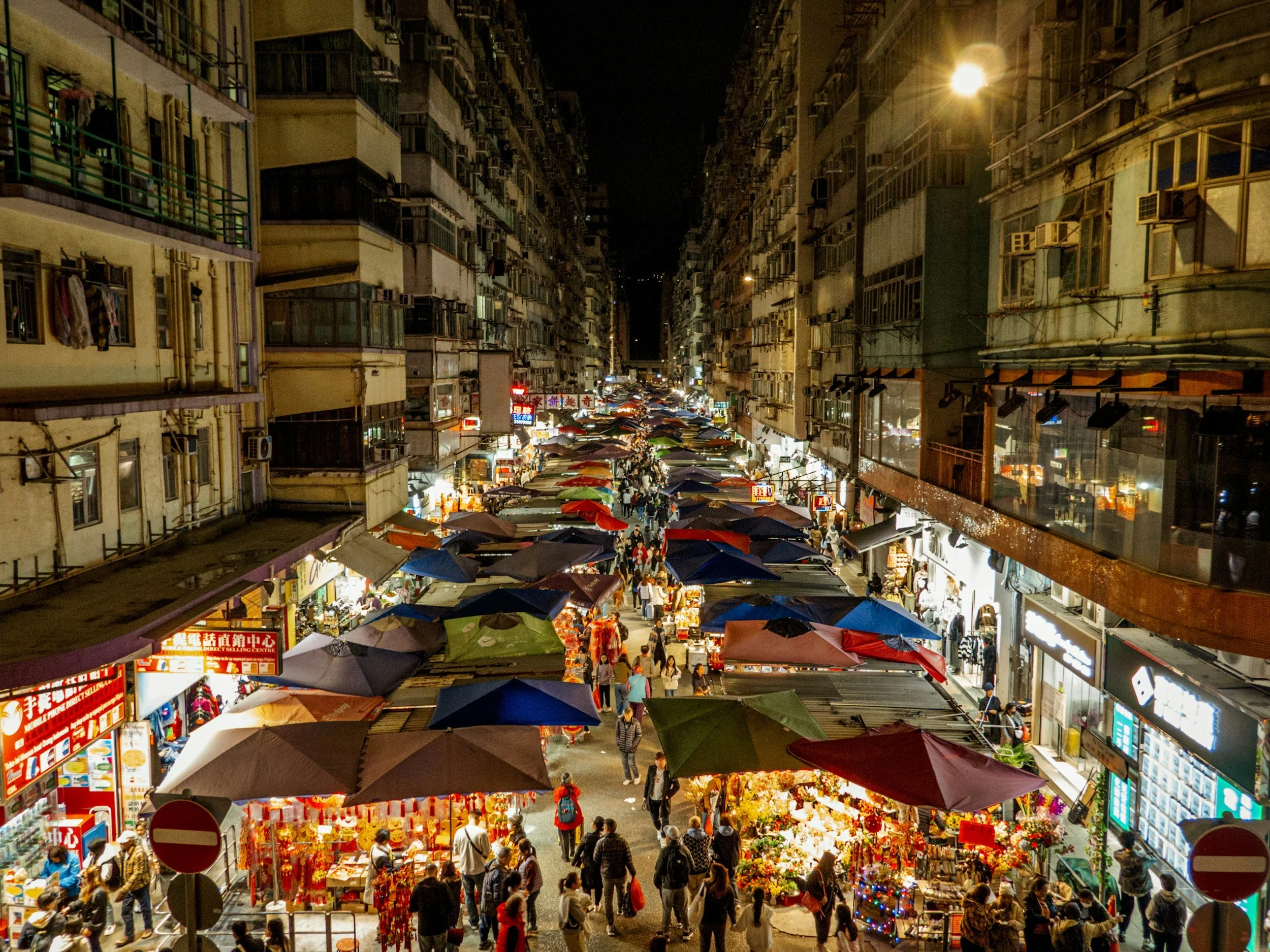
In nearby Mong Kok, other notable markets include Ladies Market (great for street food, fashion apparel or personal products), Mong Kok Flower Market (an idyllic open-air market with a variety of seeds, bulbs & potted plants on offer), Hong Kong Bird Market (a bustling market selling a menagerie of exotic birds), and Goldfish Market (renowned for its aquarium and copious fish species). Just a stone’s throw away in Yau Ma Tei, you can find both the Yau Ma Tei Jade Hawker Bazaar (AKA Jade Market, renowned for its jewelry and good-luck charms) and the Yau Ma Tei Fruit Market (which started in 1913, lending a colonial-era feel in its architecture). For traveling foodies, wandering its stalls is a perfect way to try local snacks without breaking the bank.
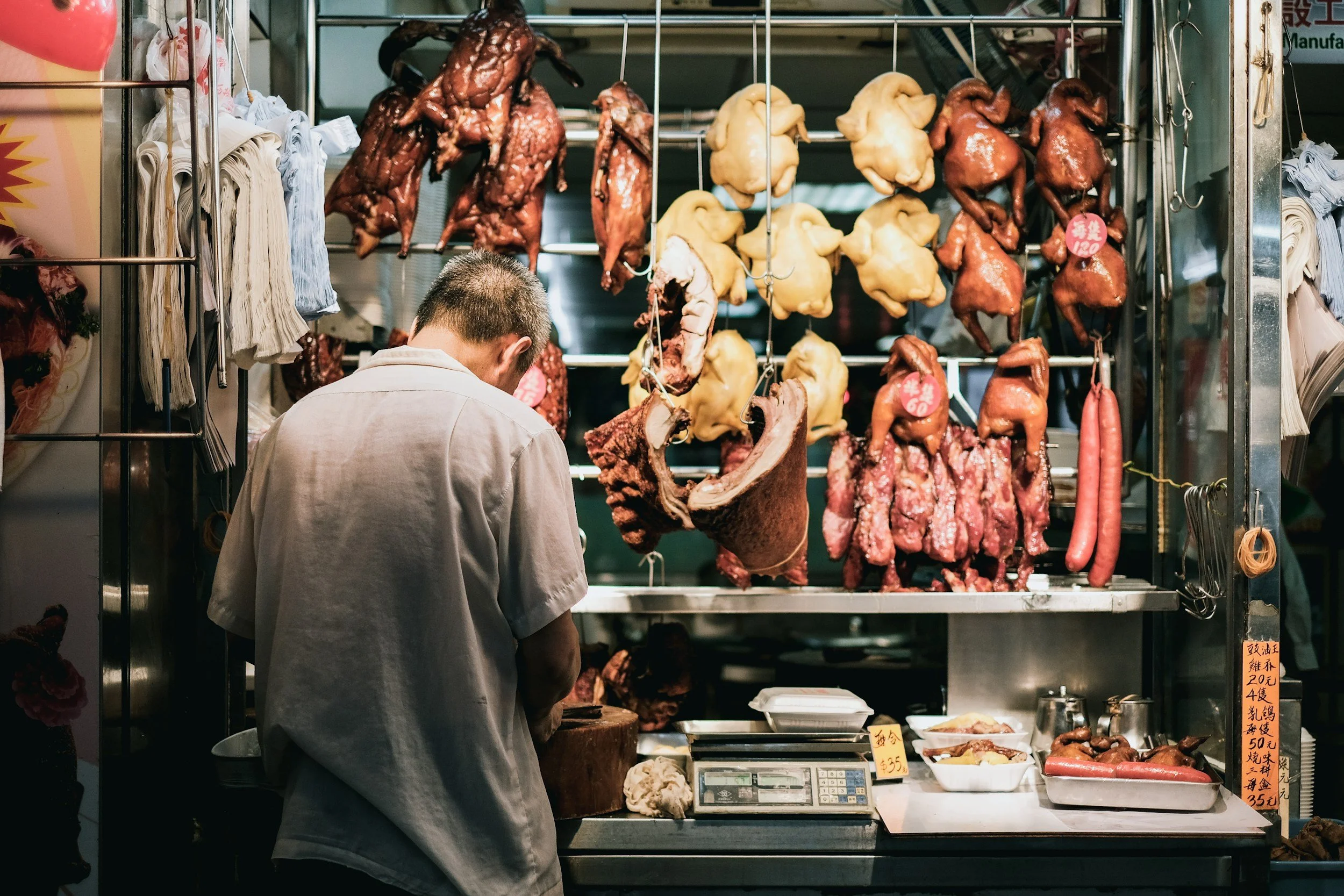
Still, Islanders shouldn’t feel left out since, in the north, you can work your taste buds at Wan Chai Market, a hall stuffed with food stalls selling several local and regional specialties from herbs to dim sum, before you try bargain-hunting at Stanley Market in the south (popular for its local crafts and clothing). If you’re feeling adventurous, also check out Chun Yeung Street Market for the freshest produce and seafood to shop like a true local.
PRO TIP: The best vendors tend to pack up their stalls by late evening so aim to go shopping between 5-6 PM. Watch out for price-gouging scams though, especially when it comes to buying supposedly jade items.
4. Hitch a ride on the affordable and extensive transport systems
As a frequent rider of Canada’s best transport system since I was a kid (shout out to Montreal’s STM!), I've always been partial to cities with good public transport, and Hong Kong certainly doesn’t disappoint. The MTR (metro) covers nearly every corner of the city, connecting Hong Kong Island, Kowloon, and the New Territories while buses and minibuses for the disabled fill any gaps, making them a dream for new travelers. Both are praised for their comfort and punctuality, as well as their ease of navigation since major signs are also in English. Most lines run from around 6 AM to midnight, with limited night routes, so check timetables accordingly.

Likewise, ferry companies, such as Star Ferry, are not just transit options but an essential part of the experience as they link the mainland to other islands, from Lantau to Lamma, often at low cost and with spectacular views on the water. Not only is Hong Kong’s public transport frequent, clean, efficient, and budget-friendly all in one, but major stations and interchanges typically have free public restrooms maintained to high standards, making the MRT undoubtedly the best way to move about the city. What’s not to love?
PRO TIP: Get an Octopus card (contactless transit card) to simplify hopping on and off trains, buses, and even making some retail purchases (you can purchase cards from automated machines located in most stations). If your budget allows, there are also many taxis or ride-share services that can help when you’re tired or traveling late; just be aware of peak traffic times.
5. Explore Lantau Island, home to Tian Tan Buddha & Ngong Ping Cable Car
Speaking of public transport, why not set sail for Hong Kong’s second-most visited island? Lantau Island offers a pleasant contrast to the concrete jungle where you can take in natural landscapes, fresh air, plus spiritual calm. The main draw is the Tian Tan Buddha (AKA the Big Buddha), a 34-m bronze statue completed in 1993, set high up in the hills. As long as you’re not afraid of heights, the best way to get up there is via the Ngong Ping 360 cable car since the steep ride gives you unmatched views over the forested hills, sea, and islands scattered across the horizon.
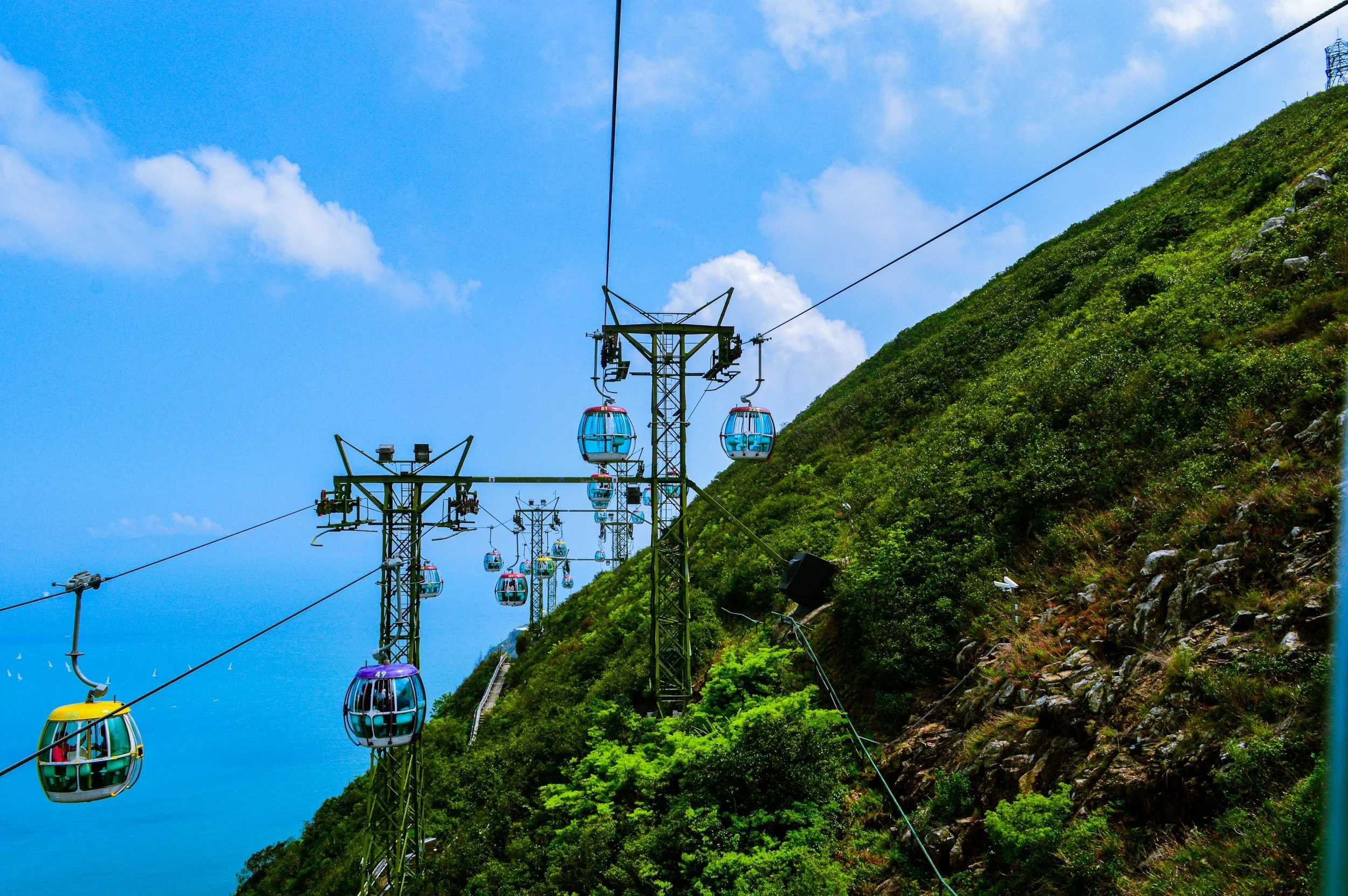
Afterwards, you can also journey beyond the statue to a nearby monastery, the picturesque Po Lin Monastery for spiritual cleansing or check out Ngong Ping Village, which is full with shops and eateries. Although much slower, there are bus options for more budget-conscious travelers, but if you don’t mind splurging a bit, upgrade to the glass-bottom floor cabin version to add a memorable thrill. The cable car is one of Hong Kong’s star attractions so, to avoid long queues (especially on weekends), try to arrive early or book online.
PRO TIP: Check the forecast in advance and aim to head up on clear days when visibility is excellent. Still, on hazy days, morning visits tend to be better than in the afternoon.
6. Worship all the temples
Hong Kong’s cornucopia of temples are windows into its spiritual life, beautifully blending architecture, history, and local rituals. Man Mo Temple (in Sheung Wan) dates to the 1800s and is dedicated to the gods of literature (Man) and martial arts (Mo), so expect incense spirals hanging overhead, wooden plaques, and incense coils lit by worshippers. Wong Tai Sin Temple (in Chuk Un) is renowned with travelers seeking wish fulfillment since you can buy fortune sticks and burning incense to increase your luck while walking through feng shui-designed halls. Right down the road, Chi Lin Nunnery and Nan Lian Garden offer a more meditative experience, boasting stunning wood and tile architecture, lotus ponds, tranquil walkways, and quiet courtyards.

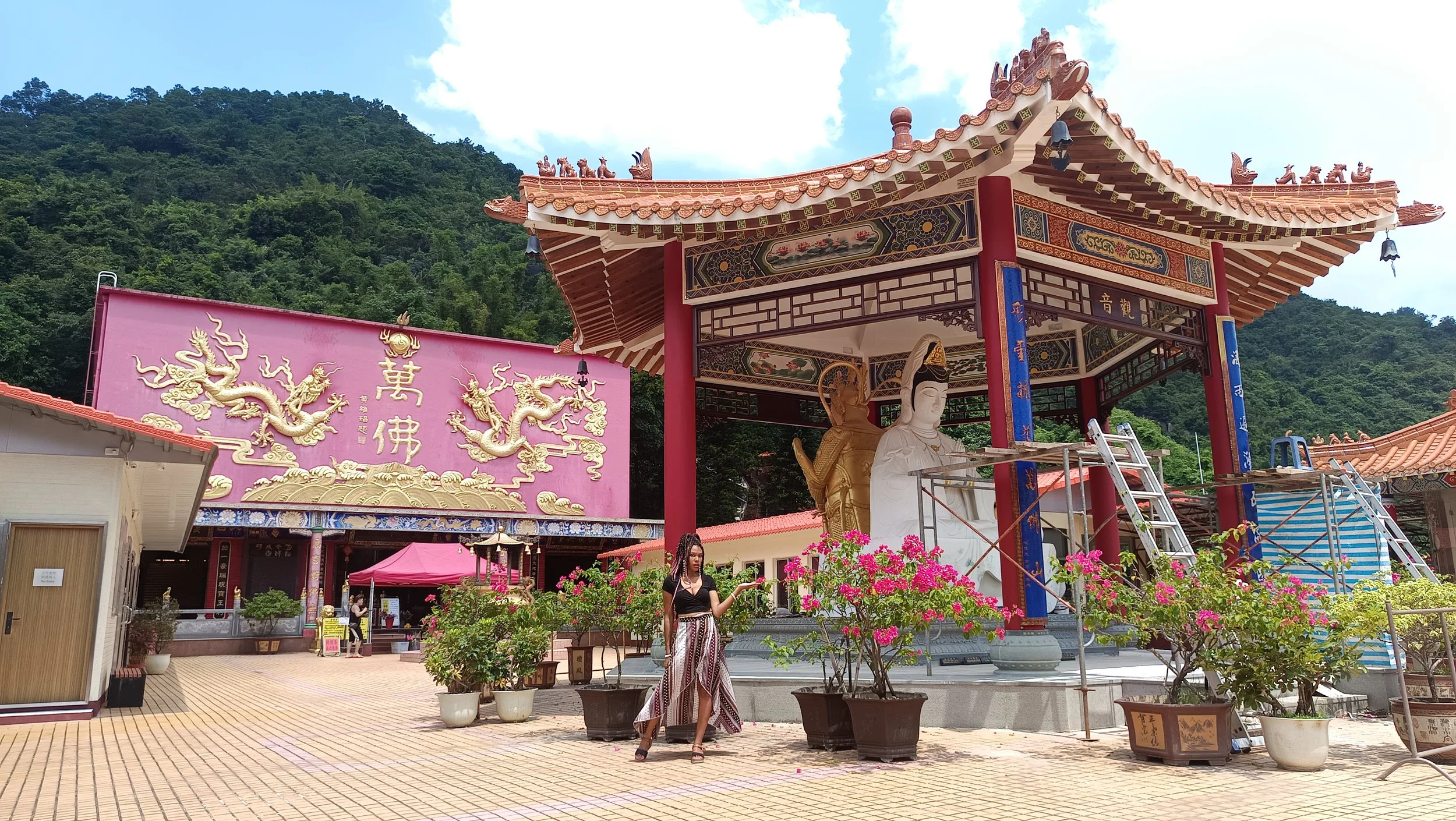
My top pick would be Ten Thousand Buddhas Monastery (in Sha Tin), a visually striking shrine whose copious steps are lined with life-size, uniquely posed Buddha statues. Reaching the hilltop temple is worth the climb for its majestic views and lack of crowds alone. If time allows, whisk into other less-visited shrines like Yaumatei Tin Hau Temple or Hung Hom Kwun Yum Temple to soak in the neighborhood charm while getting some inner peace.
PRO TIP: Time your trip to coincide with yearly festivals hosted by your preferred temple for an extra boost of good fortune.
7. Eat until you’re as round as a dumpling
Hong Kong is a food lover’s paradise, bursting with street stalls and fine dining venues around every corner. Whether you prefer luxe tasting menus or on-the-go grub, there’s plenty on demand to satisfy any appetite or dietary restriction. For dim sum and Cantonese classics, One Dim Sum, Man Mo Dim Sum, and Dim Sum Library are reliable favorites. Crave more variety? Try Kam Cheung Spare Ribs Noodle, Twelve Flavors (Central), or Mak’s Noodle for a range of traditional dishes. If you feel like splurging, Ho Lee Fook offers bold, modern Chinese cuisine while Mott 32 combines Cantonese cuisine with stylish presentation, and The Chinese Library is known for its elevated take on local gastronomy.
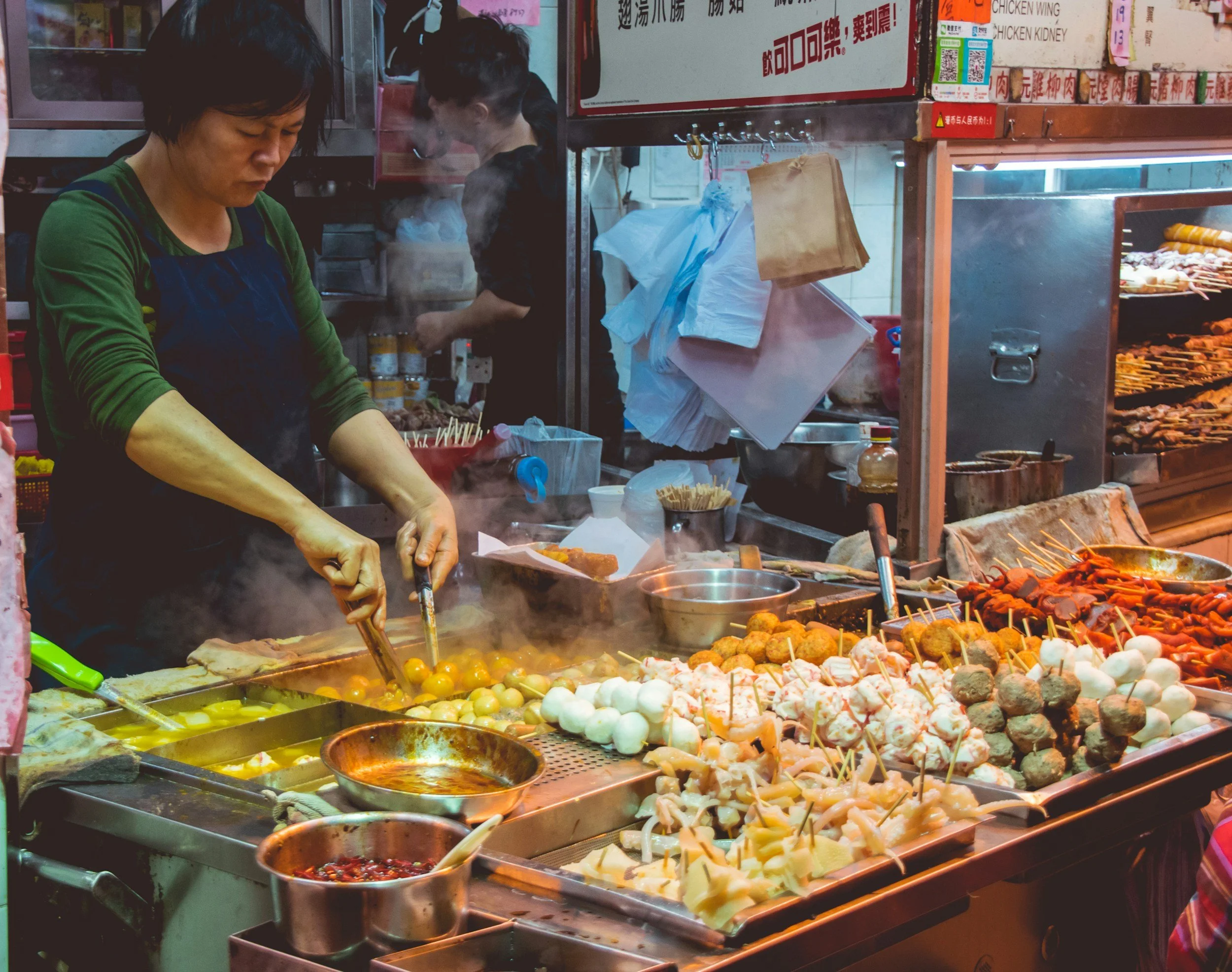
For picky eaters, there are also loads of international options from VEA Restaurant (which fuses French and Chinese flavors) and The Globe (serving classic British pints and fare done right) to Ivan The Kozak (specializing in Eastern European cuisine) and Poking (the best place to get fresh poke bowls). Ravenous carnivores should drop by Burger Circus for its eclectic burger menu while vegans and vegetarians alike will rejoice at the extensive range of dishes at Veggie 4 Love.
PRO TIP: Always check whether reservations are needed or available, notably at upscale spots. In a city of over 7 million inhabitants, the most sought-after establishments tend to suffer the longest queues, especially around the weekend.
8. Plan a picturesque day at the park
Despite seeming like a concrete jungle, Hong Kong surprisingly has several peaceful green spaces tucked amid its urban landscape, marking the perfect place for picnics or a casual stroll. Victoria Park (Causeway Bay) is Hong Kong Island’s largest, full of wide lawns, jogging paths and shaded areas where you can spot visitors partaking in tai chi, kite flying, or a mid-afternoon breather. Hong Kong Park (Central) blends modern design with natural elements: cascading ponds, fountains, a large aviary housing 80+ bird species, and the Flagstaff House Museum of Teaware hidden among leafy paths (bring snacks from a nearby café!). The mix of landscaped greenery and architectural touches makes it a favorite among locals and travelers alike.
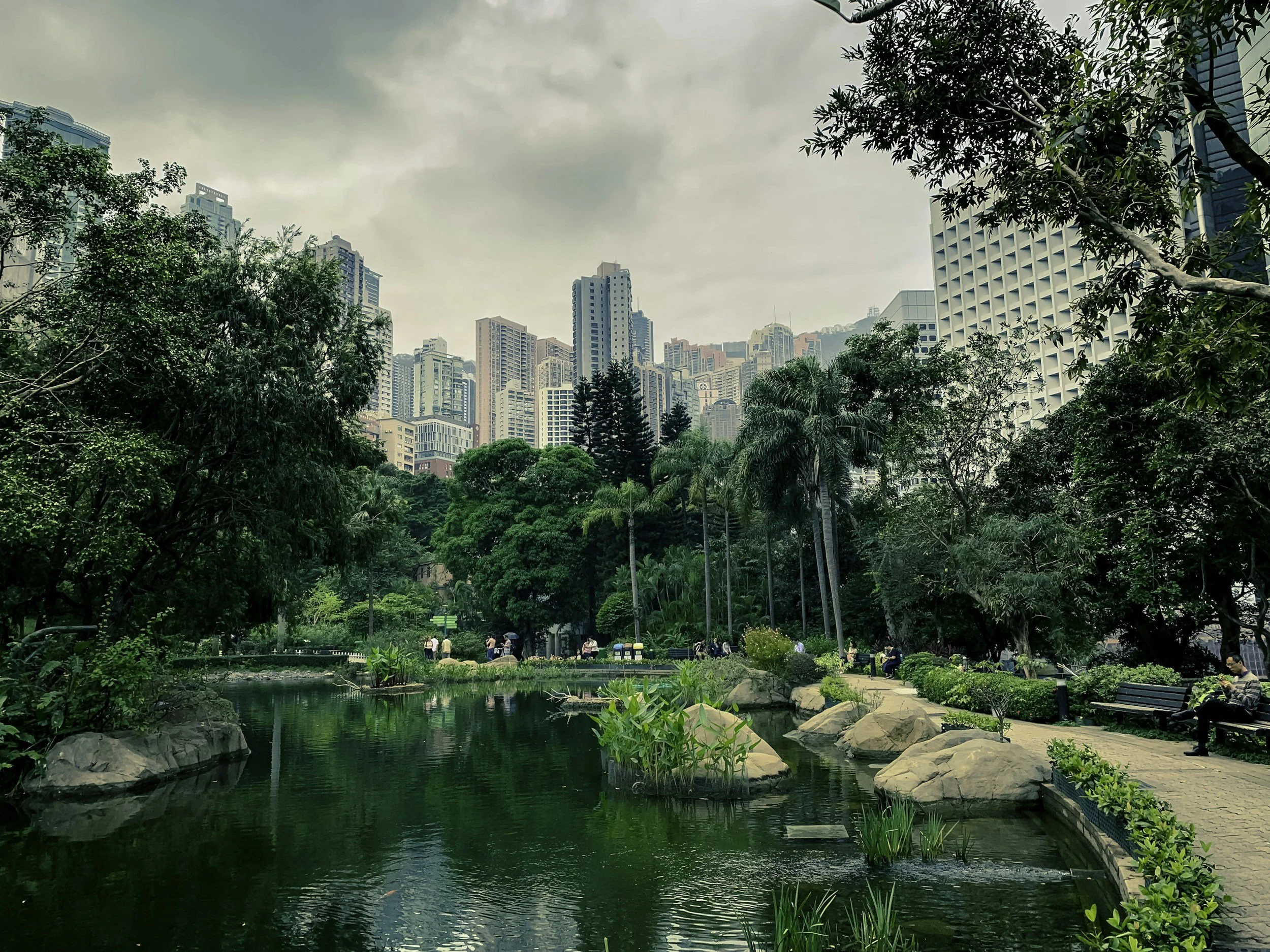
At pet-friendly Victoria Peak Garden (once the grounds of the former Mountain Lodge), find winding paths, pavilions, and benches with gorgeous views over the harbour below. Similarly, Lion Rock Park (in Chuk Un) is a hidden gem that also provides sweeping vistas of cityscape while Kowloon Walled City Park offers lush gardens and restored Qing-dynasty architecture on the historic site of the infamous walled city, plus free guided walking tours about its fascinating past. For an escape from the crowds, Cyberport Waterfront Park is a lesser-known park with bayfront access and a children’s playground, ideal for the whole family. Simply pack some local snacks (think egg tarts, stuffed buns, fresh fruit) and you’ve got a cozy afternoon that still feels indulgent.
PRO TIP: While unwinding in the park is the most relaxing way to enjoy golden hour sunsets, you’re sure to have the scenery all to yourself just after daybreak. Since most parks open between 6-7 AM, early birds can catch the worm and the blue hour instead for a truly serene experience.
9. Visit world-class museums & cultural centers
As one of the world’s most densely-populated cities, it should be no surprise that Hong Kong’s many museums pack a substantial punch, offering something for everyone across multiple disciplines such as art, history, and science. The Hong Kong Museum of Art (HKMoA), located beside the Tsim Sha Tsui ferry terminal, holds over 17,000 Chinese works, from calligraphy to sculptures, and often pairs exhibitions with waterfront views and outdoor displays. Better yet, its permanent collections are free to enter and free guided tours are also available on a first-come-first-served basis. For regal art and antiquities, the Hong Kong Palace Museum in West Kowloon displays over 900 treasures from several royal dynasties.
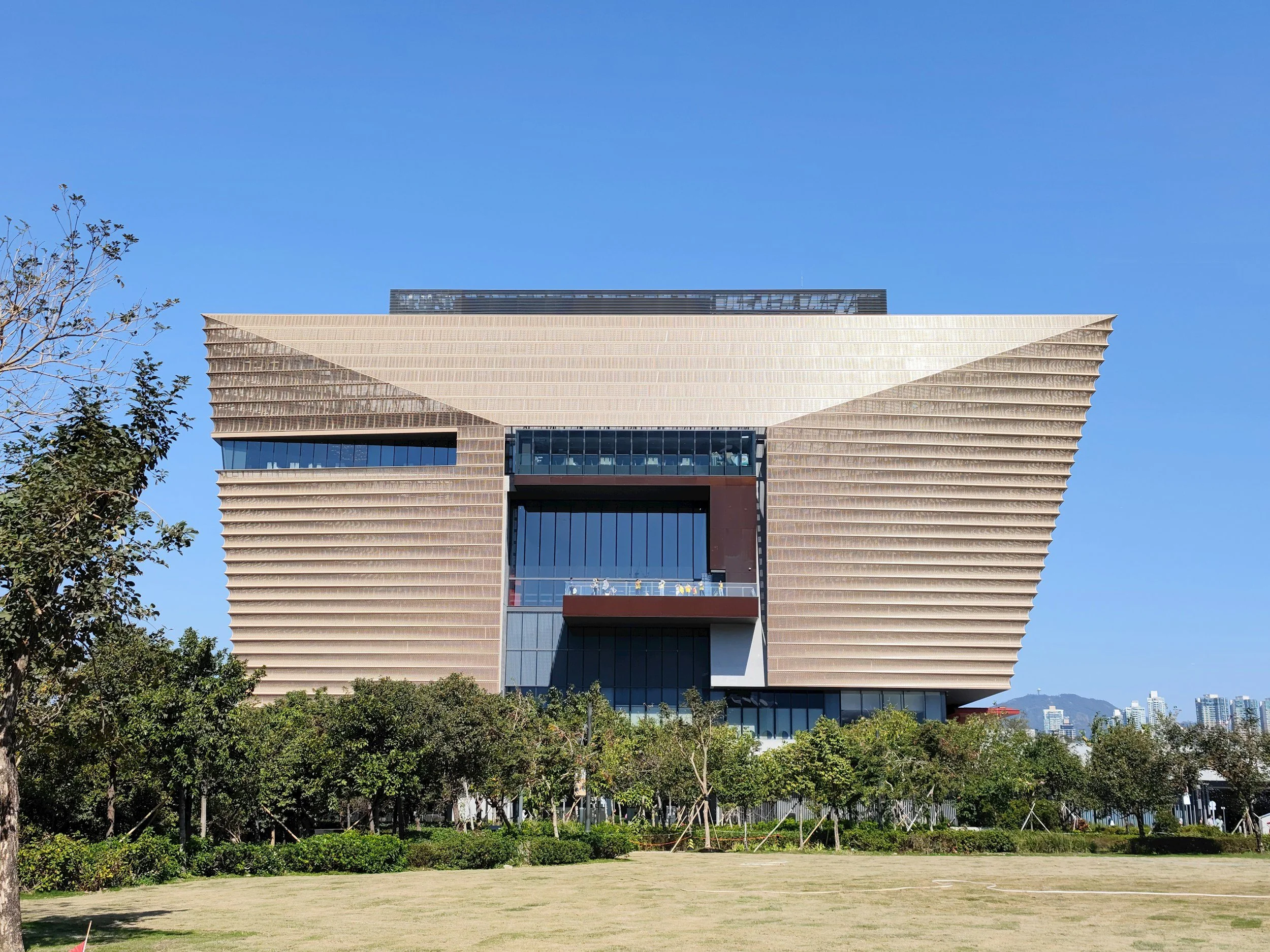
Fellow nerds like me are sure to love the Hong Kong Space Museum, which houses interactive astronomy exhibits in its egg-shaped dome along with the city’s only planetarium. For history buffs, the Hong Kong Museum of History dives into the territory’s past, with exhibitions about colonial Hong Kong, social history, and regional culture. Other worthwhile venues include the Hong Kong Heritage Museum in Sha Tin (showcasing exhibits on Cantonese opera, local culture, and art) and the Hong Kong Maritime Museum (Central Pier 8), which covers the role of sea trade and shipbuilding in Hong Kong’s economic development. The Hong Kong Science Museum is great, especially for kids, thanks to its interactive displays, hands-on setups, and over 500 exhibits ranging from energy to insects.
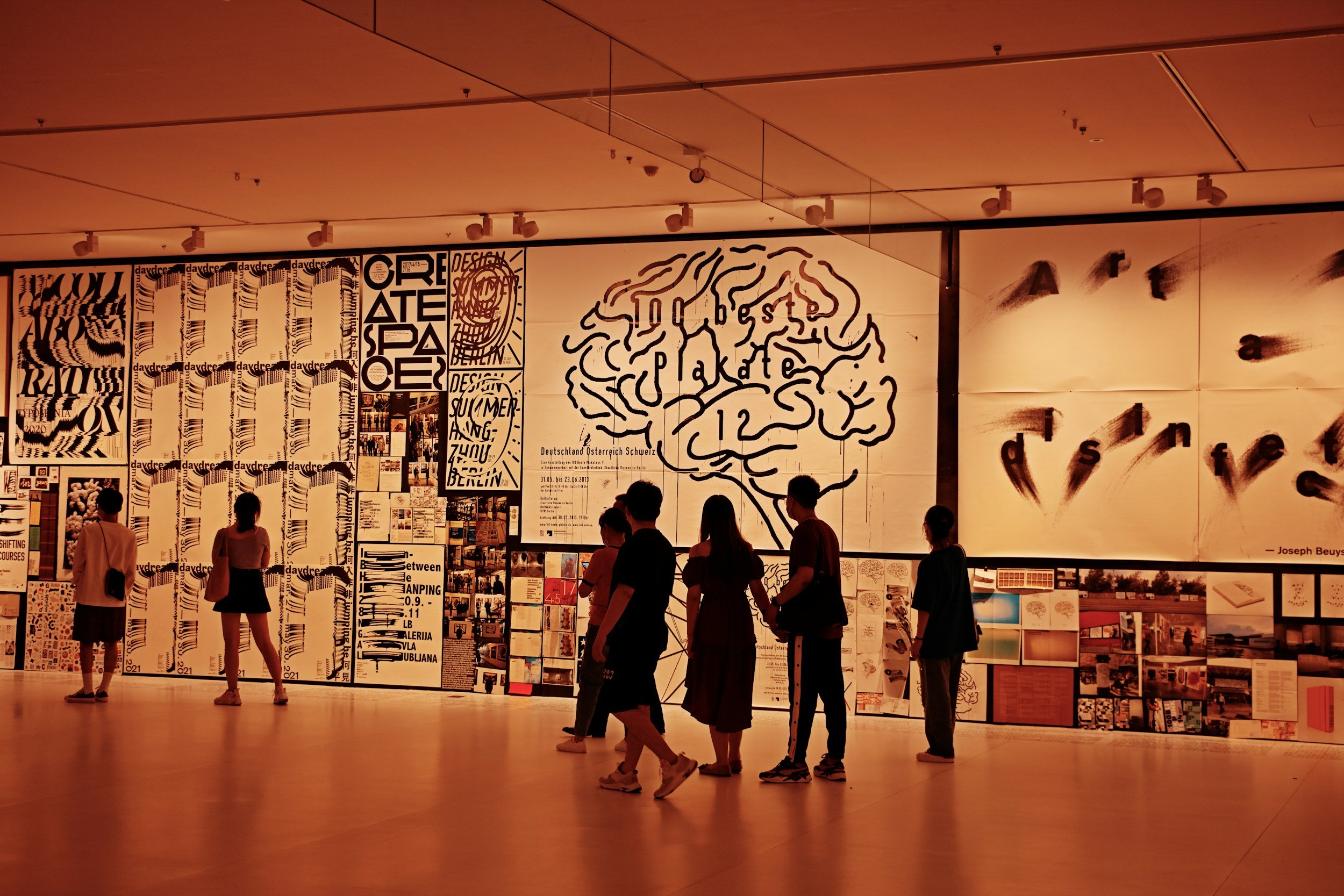
Prefer something more niche? The Hong Kong Museum of Medical Sciences explores the intersection of traditional Chinese and Western medicine in a historic, 18th-century building. While not museums in the classical sense, PMQ and The Mills are creative hubs that also double as venues for art galleries, pop-up expositions, and design shops from local and international artists. Music lovers can also take in show by local and international entertainers at the Hong Kong Cultural Centre. Whether you have an hour to spend or a full afternoon, you’re bound to find a gem that suits your fancy.
PRO TIP: The permanent exhibitions at both Hong Kong Space Museum and the Hong Kong Science Museum are free on Wednesdays so time your visit carefully.
10. Cross over to Hong Kong’s dark side
To get a more provocative perspective of Hong Kong, try to spot the urban dens where its glamour meets its seedier edges. As one of the most heavily populated cities in the world and one of the most expensive in the continent, it should come as no surprise that living conditions for society’s most vulnerable are on a different level. While Kowloon Walled City might have been replaced with Kowloon Walled City Park, there are several mega-complexes hiding secrets far removed from typical tourist traps. Chungking Mansions (Tsim Sha Tsui) is infamous for its labyrinth of guesthouses, currency exchanges, electronics shops, and a kaleidoscope of (sometimes illegal) micro-businesses, housing up to 4,000 residents. While sure to be chaotic (and perhaps unsafe late at night), courageous visitors can go on guided tours to see how the less fortunate thrive, even when left in darkness.

In Quarry Bay, you can also find the notorious “Monster Building,” nicknamed for its architectural oddity since it’s actually five massive buildings (the Yick Cheong Building, Yick Fat Building, Fok Cheong Building, Montane Mansion and Oceanic Mansion) interconnected via corridors and tunnels, creating narrow courtyards and dramatic visuals. It’s a favorite for photographers seeking to capture the essence of Hong Kong’s dense, vertical cityscape since the complex spans 18 floors, sheltering a staggering 10,000 inhabitants.
PRO TIP: Never seen a lady of the night? Spot the tell-tale pink lights illuminating brothel doorways after sun-down, especially on Portland Street between Argyle and Dundas (sex work is entirely legal in Hong Kong). How else do you think the Ladies’ Market got its name?
11. Go hiking through country parks
Seeking a respite from the confines of the concrete jungle? Thankfully, Hong Kong has more than enough green spaces, with about 40% of the land designated as country parks (not to be confused with national parks, obviously). Regardless if you prefer easy walking trails to multi-hour mountain treks, there are nature walks suitable for every level. For more challenging routes, start on the mainland to the very north where you’ll find Lam Tsuen Country Park, offering steep trails to rugged peaks with incredible views, and just south, Tai Mo Shan Country Park, a preserve featuring waterfalls centered around Hong Kong’s highest peak (~957 m). Right to the east sits Pat Sin Leng Country Park, whose grassy trails intersect with marshes and forests containing wildlife such as dragonflies and pangolins. Further to the south there’s Lion Country Park, home to Lion Rock lookout, and Kam Shan Country Park, an expansive grassland filled with macaques and picnic areas.
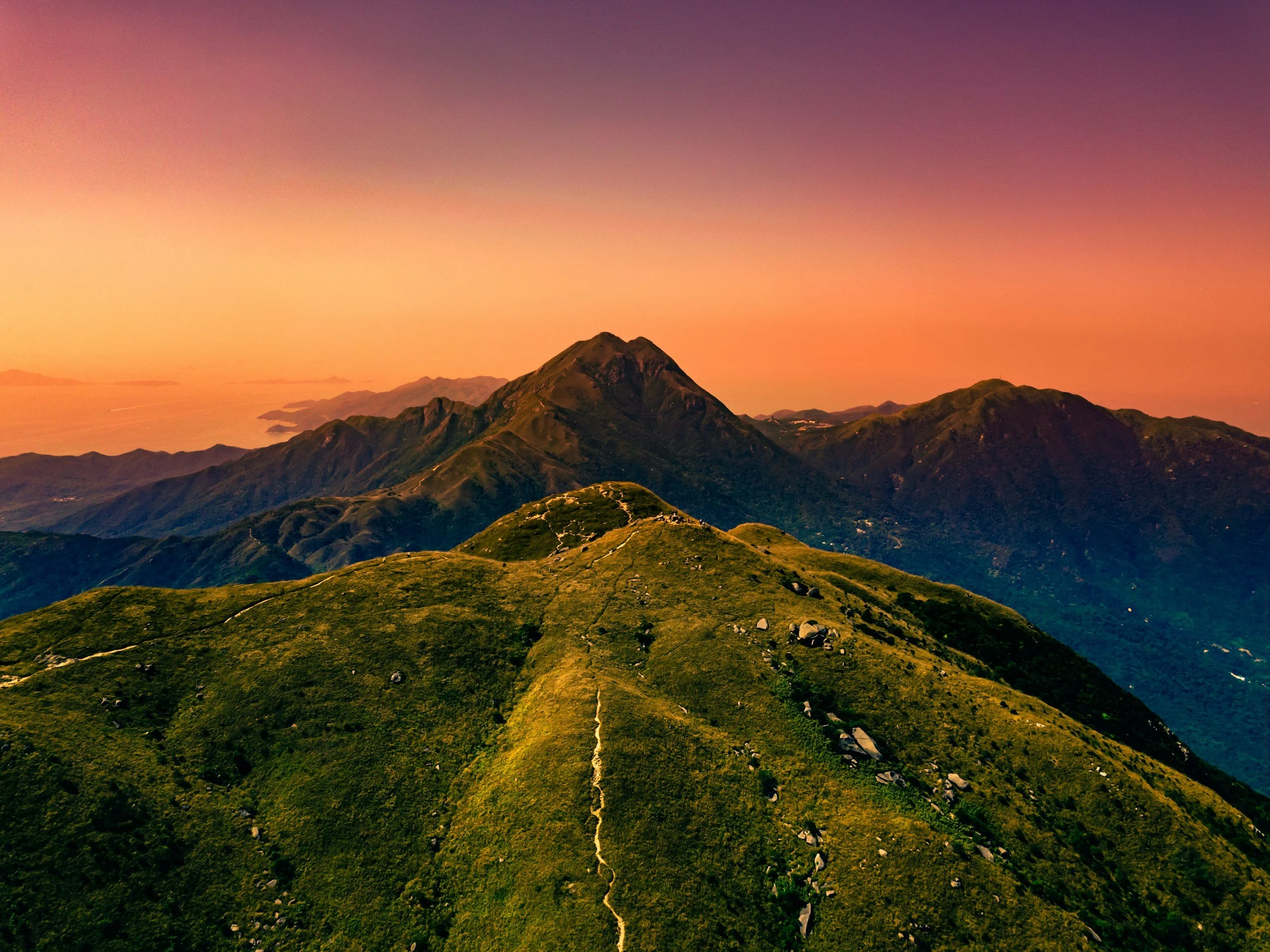
Travelers staying on the island have plenty of choice as well, such as (from west to east) Pok Fu Lam Country Park (protected woodlands whose trails lead up to Victoria Peak), Aberdeen Country Park (which hosts a tree-conservation center), Wong Nai Chung Reservoir (home to an artificial lake you can explore by boat), as well as Tai Tam Country Park (a wide parkland full of play areas for kids and hiking trails). Shek O Country Park might be the best one yet since its Dragon’s Back trail connects Big Wave Bay Beach to O Shek O Beach, combining seaside views with moderate, ridgeline hiking.
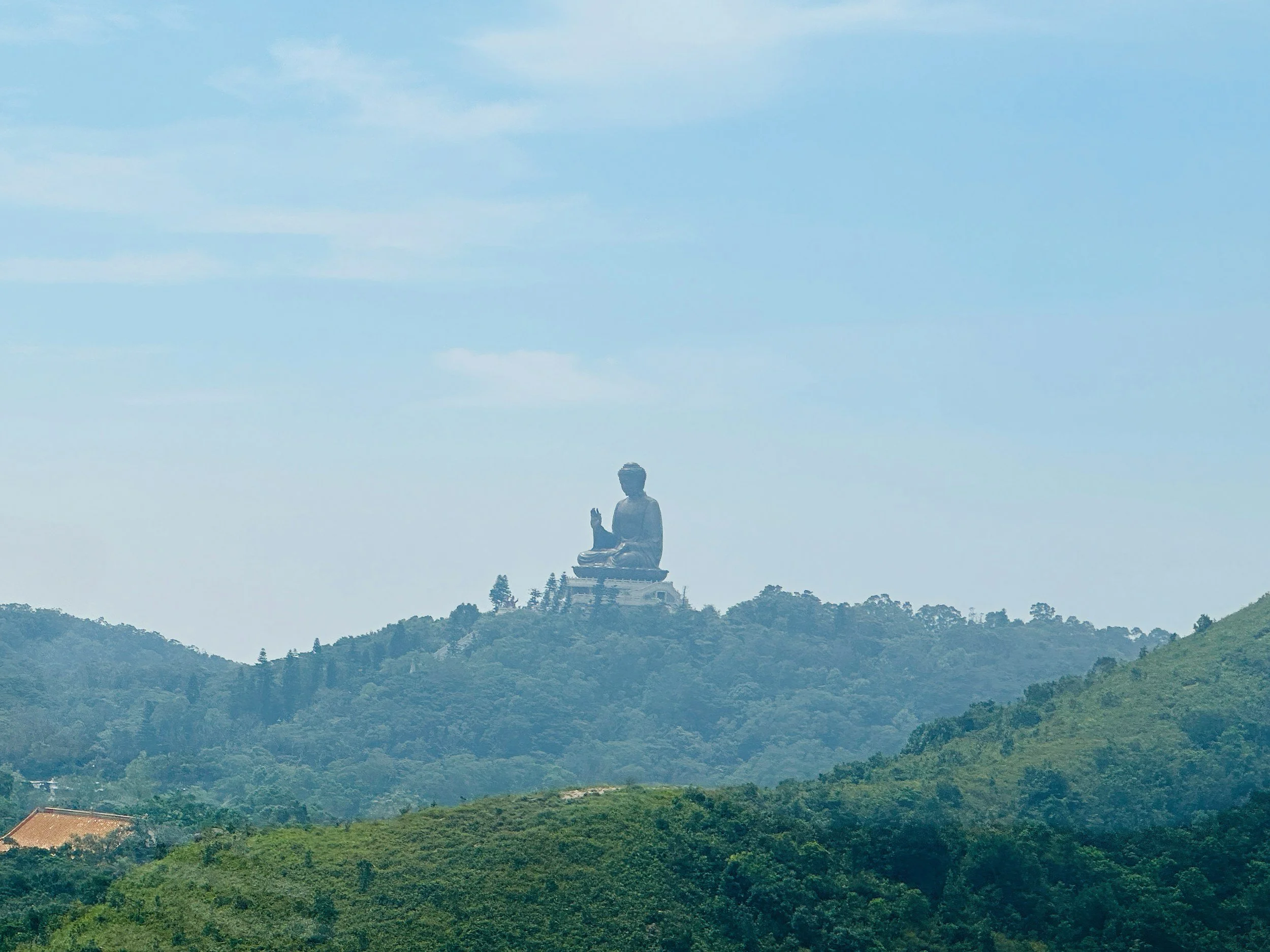
Alternatively, you can hike through Lantau Country Park on Lantau Island (site of the Big Buddha) as the wide, open space is beloved for its coastal vistas, fresher air and extensive trails. Go on a self-guided tour (make sure to bring a paper map and plenty of food and water, just in case) or book a group or private tour for added peace of mind. Either is a great option to spend your day getting in touch with nature.
PRO TIP: Extreme thrill-seekers should test out Wilson Trail, a 75-km trail that weaves through 8 country parks, allowing access to limitless monuments and panoramic scenery.
12. Get sky-high at Sky100 Hong Kong Observation Deck
For fans of heights and sights, there’s no better way to rise above the fray while in the heart of the city than climbing up to Sky100. Located on the 100th floor of Hong Kong’s tallest building (the International Commerce Centre near Kowloon Station), the city’s second-highest observation deck (at 393 meters) lends itself to interrupted views while open daily from about 10 AM to 9 PM, with the last entry a half hour before closing. The viewing platform is fully indoors, making for an ideal refuge from the heat, humidity, or unexpected rain that often plague the coastal city.

Head up around late afternoon before the crowds rush in to enjoy both daylight and sunset views before the city lights come to life. On the clearest days, you can see straight past the mountains to the neighboring city of Shenzen, China’s third-largest metropolis. Since local weather can often be unpredictable, especially during monsoon season, make sure to check the live-feed on the screens next to the ticket counter to verify conditions off the ground first.
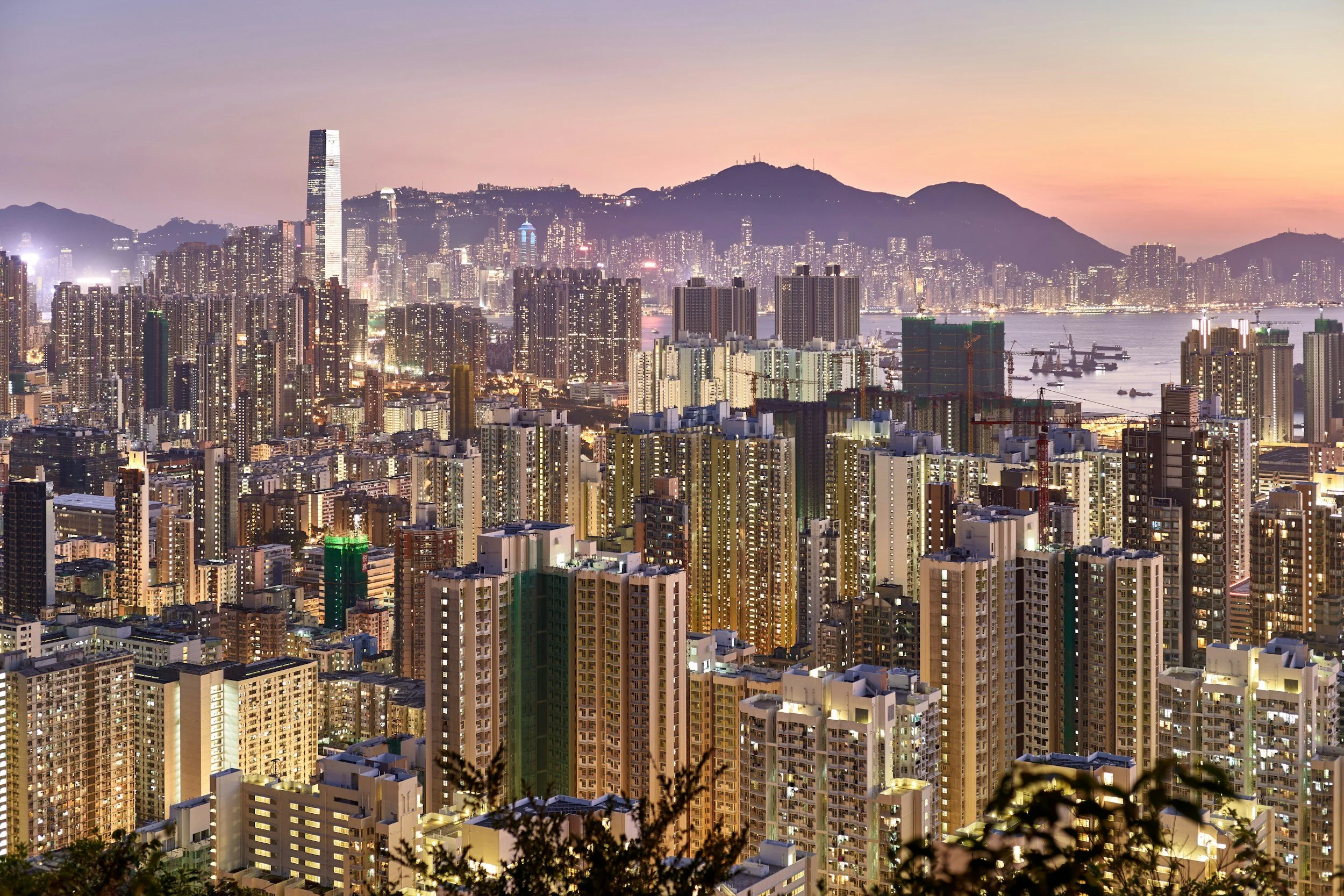
To make the most of your visit while there, why not also stop in at the adjacent Café 103 (by the Ritz-Carlton) for a snack or at a souvenir shop to snag a memento to remember the occasion? Until around midnight, you can also pop up to Ozone Sky Bar (also by the Ritz-Carlton) on the 118th floor to sample the loftiest libations in the land while living in the lap of luxury. Revel in the Asian-inspired tapas, creative mixology lessons and live DJ sessions. Are you on Cloud Nine 9 yet?
PRO TIP: At a staggering 480 meters above sea level, Ozone Sky Bar’s status as the world’s highest rooftop bar reflects in its prices, and more budget-conscious travelers should sit at the bar since all outdoor window seats require a minimum of HK$500 per customer, subject to a 10% service charge. As with everything else, you get what you pay for!
13. Try a walking tour
As a haven for high-rollers and penny-pinchers alike, let it never be said that Hong Kong doesn’t cater to pocketbooks of all sizes, especially when it comes to free activities. I’d say the cheapest and fastest way to get to know the city is via a walking tour, and thriftier travelers will be happy to know that Hong Kong has a variety of free tours so you won’t have to spend a single cent. Usually led by born-and-bred locals, these tours are also a safe way to learn the layout of a new city for less-seasoned travelers as guides shuttle you past the most famous landmarks while sharing cultural insights.
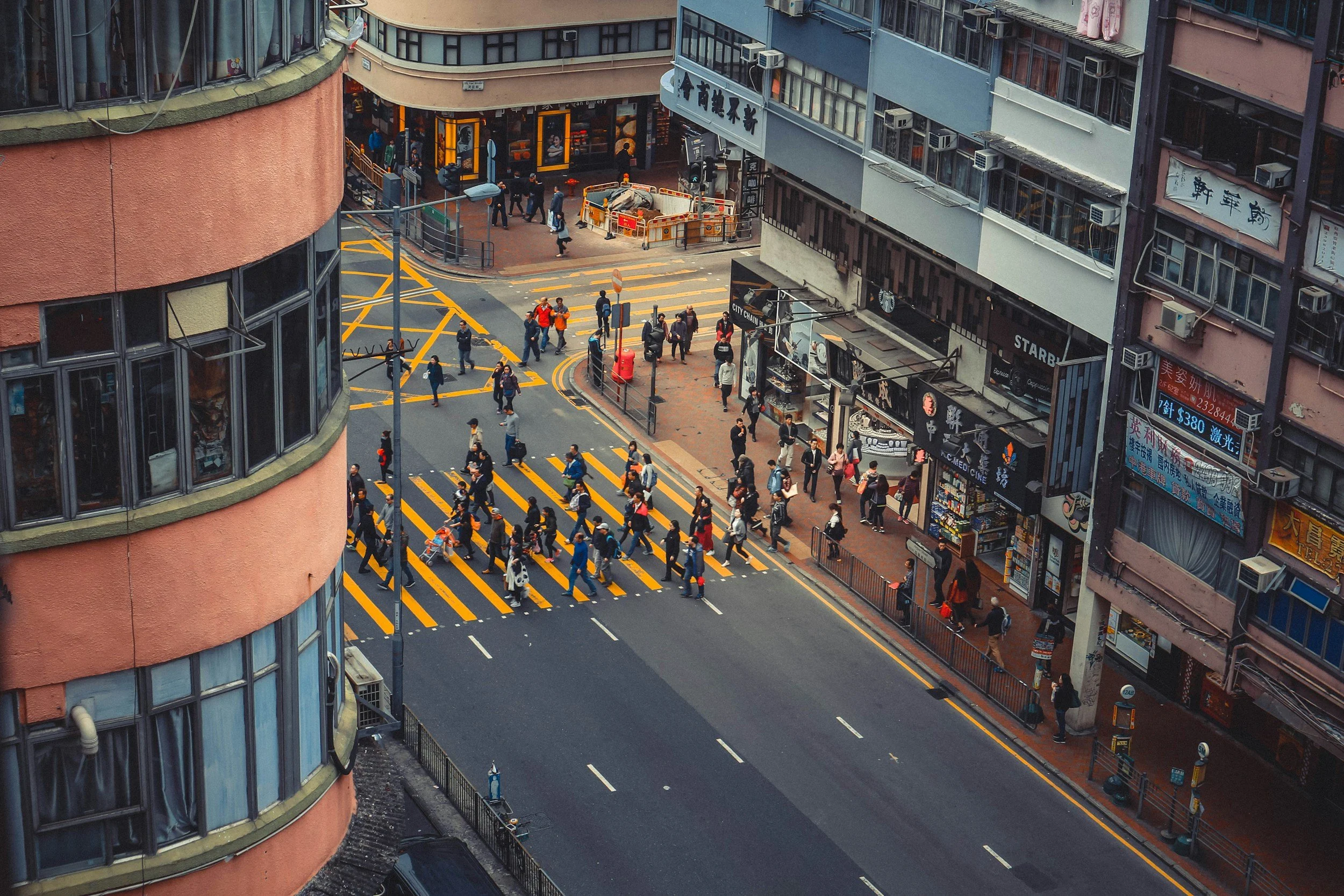
Walking tours typically depart in the morning or late afternoon, lasting between 1.5-2 hours (wear your comfiest shoes!), with the most popular routes departing from Central near Statue Square. Expect to learn about colonial landmarks and local markets while sampling street food and navigating the hustle and bustle of the fourth most densely populated city in the world. Some operators offer themed tours, from food tastings to heritage walks, so pick the one(s) you like most (non-fainted-hearted visitors, unlike myself, can cross to the dark side). For free tours, if you’re still smiling by the end of the experience, tip your tour guide as a sign of gratitude (HK$100-200 is customary). If not, hopefully you’ve at least got your bearings a bit more and maybe made some new friends? Anywho…
PRO TIP: If pressed for time, you can book a morning and afternoon tour to do two-in-one (you might get lucky like me and have the same tour guide twice). However, keep in mind that free tours can often get overbooked during peak season, so either reserve your place in advance or book a private tour for a more intimate walkthrough.
14. Party until dawn in Lan Kwai Fong, Knutsford Terrace & beyond
No matter where you’re staying in Hong Kong, night owls and party hounds will be delighted to learn that many bars and clubs are open until late, especially on weekends. On the mainland, Knutsford Terrace (Tsim Sha Tsui) is a pedestrian street hailed for international pubs and restaurants. Head to Assembly (one of the city’s most famous gastrobars) during their Happy Hour special starting at 3 PM daily, Joe Bananas Kowloon to dance to live music every nigh, or Gulu Gulu for more drink specials and beer pong. Just a block away you’ll find even more nightlife on Kimberley Road, such as the iconic Wall Street Bar (Kimberley Hotel) or Dada Bar & Lounge (Luxe Manor) for a touch of glam. Continue onto Nathan Road until you reach Vibes (Mira Place) for another round of drinks on their outdoor terrace and next thing you know you might be wobbling to your next destination.
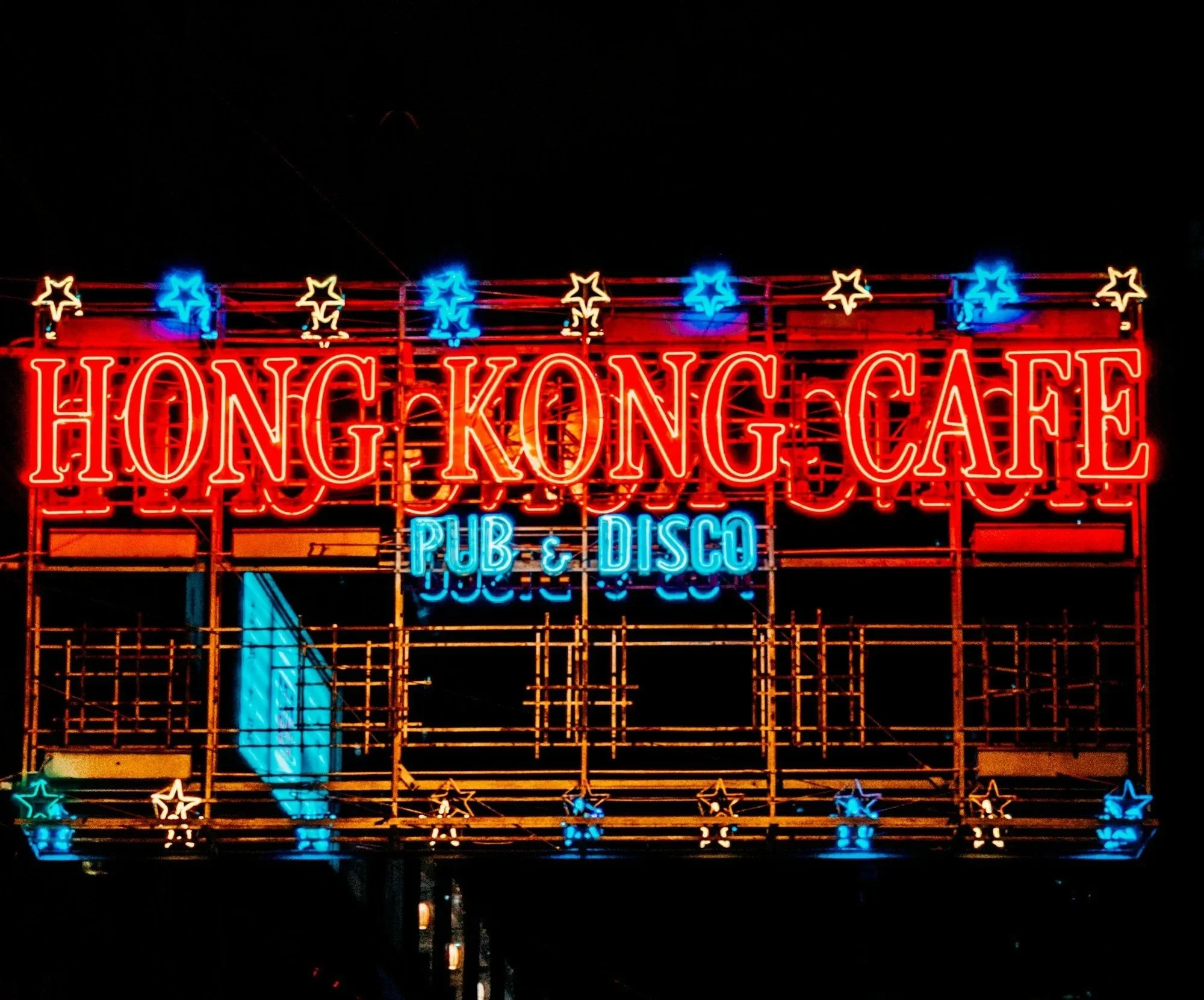
Travelers on the southern shore are in for an even better treat since Lan Kwai Fong district is a popular hub for lively bars, rooftop spots and nightclubs, so wander the neighborhood until you find a place that calls you (literally, follow the music). Time-tested staples include cocktail bars such as Quinary (perfect for date nights), Tell Camellia (upscale vibes with moderate prices) or The Iron Fairies (prime spot for nightly live music), but my favorite pick would have to be the Dragonfly for its glittering decor alone (so sparkly!) and the service is also top-class.
If you want to dance until dawn (or 4-5 AM), ramble over to Shuffle (where the friendly service is as terrific as the music), or The Trilogy (with three different setups from rooftop, jazzbar and club). For a touch of the avant-garde, patronize Maggie Choo’s Hong Kong, a cabaret guaranteed to appeal to your wild side. In the adjacent SoHo district, you can also stumble across The Old Man for classy cocktails without a ridiculous upcharge, and Varga Lounge for the best drink prices without sacrificing an ounce of elegance.
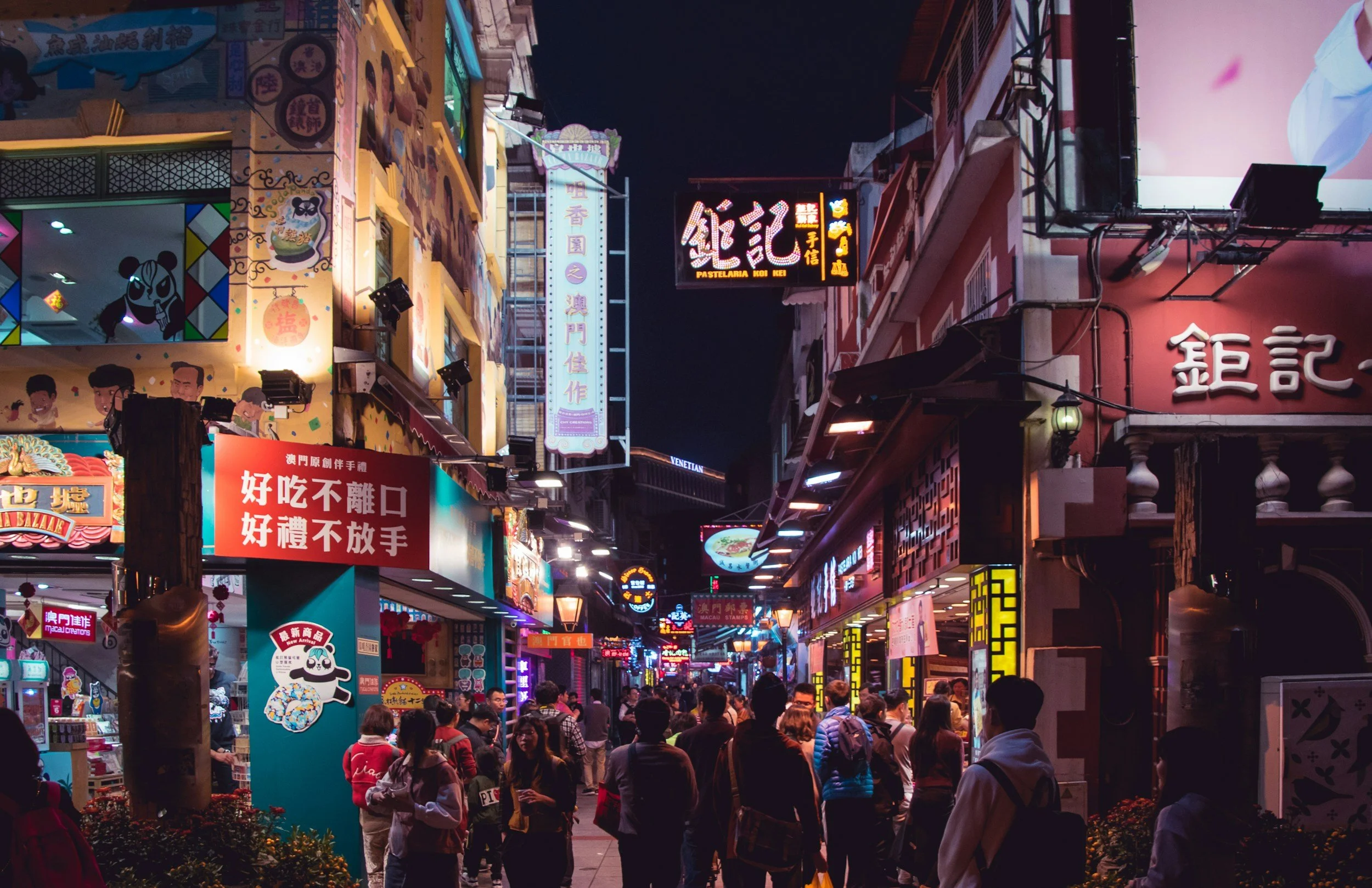
Really want to party like it's 2019? Sign up for a pub crawl where you can score drink deals, meet people, and skip long lines at clubs, or check out themed parties like the Chalk Party (a blacklight party in the heart of Lan Kwai Fong). Never been on a booze cruise? Well, here’s your chance since Wing on Travel will let you drink to your content as long as the boat is moving (wines and hard liquors included). You can even opt for a sunset cruise or time your departure to coincide with the Symphony of Lights show for an unforgettable occasion with pick-up available from Tsim Sha Tsui in Kowloon or Central on Hong Kong Island. In all cases, make sure to organize a way back to your lodgings via taxi or rideshare app before you lose your head.
PRO TIP: Expect mid-range to high-cost cocktails (plus service charge) everywhere you go since these establishments mostly cater to foreigners (so expect Western prices).
15. Camp in Hong Kong’s great outdoors
Nature lovers yearning for a night under the stars should be delighted to learn that Hong Kong hosts many recreational outdoor spaces. For example, Tung Lung Chau Campsite sits beside a restored Qing-dynasty fort and provides campers with BBQ pits, benches and basic toilet facilities for rock-bottom prices. To get there, take a ferry from either Sam Wan Ho Pier (Aldrich Bay) or Sam Ka Tsuen Pier (Yau Tong) but plan to arrive and leave on a weekend or public holiday since boat services only run on those days. With several swimming holes and nature trails, staying on Tung Lung Chau Island is a budget-friendly way to get reacquainted with Mother Nature as long as you bring along plenty of drinking water and food (pack more than you’ll need to be safe).

If you prefer a more hands-on wilderness experience, Tai Tam Scout Centre is managed by the Scout Association and specializes in organized activities in the great outdoors. Though not as far removed from civilization (it’s located on Hong Kong Island), the center sports a country park as its backyard, so you won’t even tell the difference. From pre-packed survival kits to supervised training exercises, the center may cost more than no-frills camping but the life-saving skills taught are truly invaluable and a great outlet for adventure junkies seeking more guidance in the wild. They also host social events and provide detailed equipment lists, making it ideal for visitors of nearly any age. Who’s ready to roast marshmallows around a campfire?
PRO TIP: It might be obvious, but check the forecast for up to a week after your planned visit to ensure there won’t be even the smallest cloudburst to rain on your parade. Aim for autumn (October to November) or spring (March to May) for cooler, drier weather since summer (June to September) brings a risk of natural disasters, like typhoons, and winter nights (December to February) can get terribly cold.
16. Shop until you drop from bargains to luxury
Whether you’re into haute couture or near-identical knock-offs, Hong Kong is one of the best shopper’s haven with deals for every price point. Apart from the aforementioned street markets, many megamalls take up the city center, hawking local and international goods. For bargains on clothing and souvenirs, try Tung Choi Street (home of the Ladies’ Market) or Fa Yuen Street (AKA Sneakers Street) for discounts on sports shoes and streetwear.

Prefer the cool confines of a commercial center? Hong Kong has too many to name but I’ll list my top ten: First up is Harbour City, perched right on the west of Victoria Harbour, which is not only the city’s biggest mall but also boasts a sky observation deck with 360-views along with an array of high-end boutiques, opulent bistros and lush entertainment venues. Pacific Place (Admiralty) and Times Square (Causeway Bay) are almost equally as swanky and also house cinemas within their complexes. Not too far from the latter is Hysan Place, a massive mall whose expansive interior includes a beloved bookshop plus many other brand-name stores. In Central, go window-shopping at either IFC Mall, a modern multiplex hosting luxury shops and an adjacent skyscraper, or Landmark, one of the most visited malls for its international brands and chain restaurants.
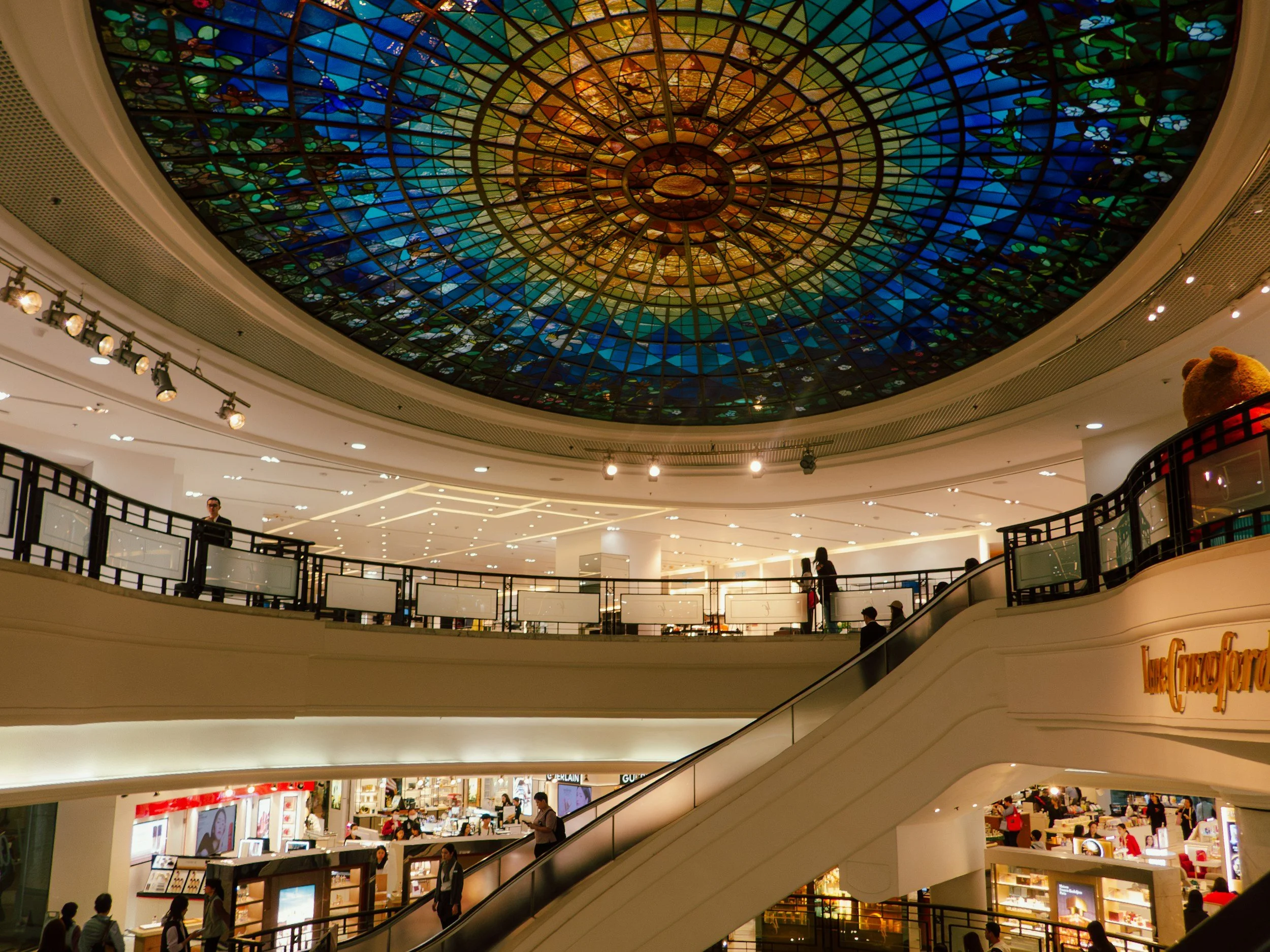
Back on the mainland, my ultimate choice would be K11 Art Mall (Tsum Sha Tsui) since it effortlessly blends designer brands into its endless art installations. Further to the north in Kowloon Tong, you can peruse the wares at Festival Walk, an upscale mall containing over 200 establishments, including a cinema and ice-skating rink. If you’re in need of a way to escape the heat, why not take refuge in a shopper’s
PRO TIP: For even more thrills after dark, traipse eastward to APM in Kwun Tong since this late-night mall is normally open until 11 PM while providing the most bang for your buck once outside the city center.
17. Take up adventure sports in Sai Kung
If the constant hum-drum of the city makes you yearn for new adventures, the verdant oasis of Sai Kung to Hong Kong’s far-east might just do the trick. Besides being home to the sprawling Sai Kung Country Park, chock full of natural wonders such as Duxiu Waterfall, Ming Yau Waterfall and Four Consecutive Pools, its treks can be tricky and take hours, so come plenty prepared. Still, your efforts won’t be in vain as you follow mountain trails through ancient villages and mesmerizing scenery. Take dips in secluded beaches such as Ham Tim Beach and Tung Wan Beach to cool off or hike to the edge of Hong Kong’s mainland until you reach Cheung Tsui. You can even set up camp for the night at Sai Wan Campsite before heading to Sai Wan Stargazing Site (open all night) to watch the Milky Way come to life away from the light pollution of the city center.
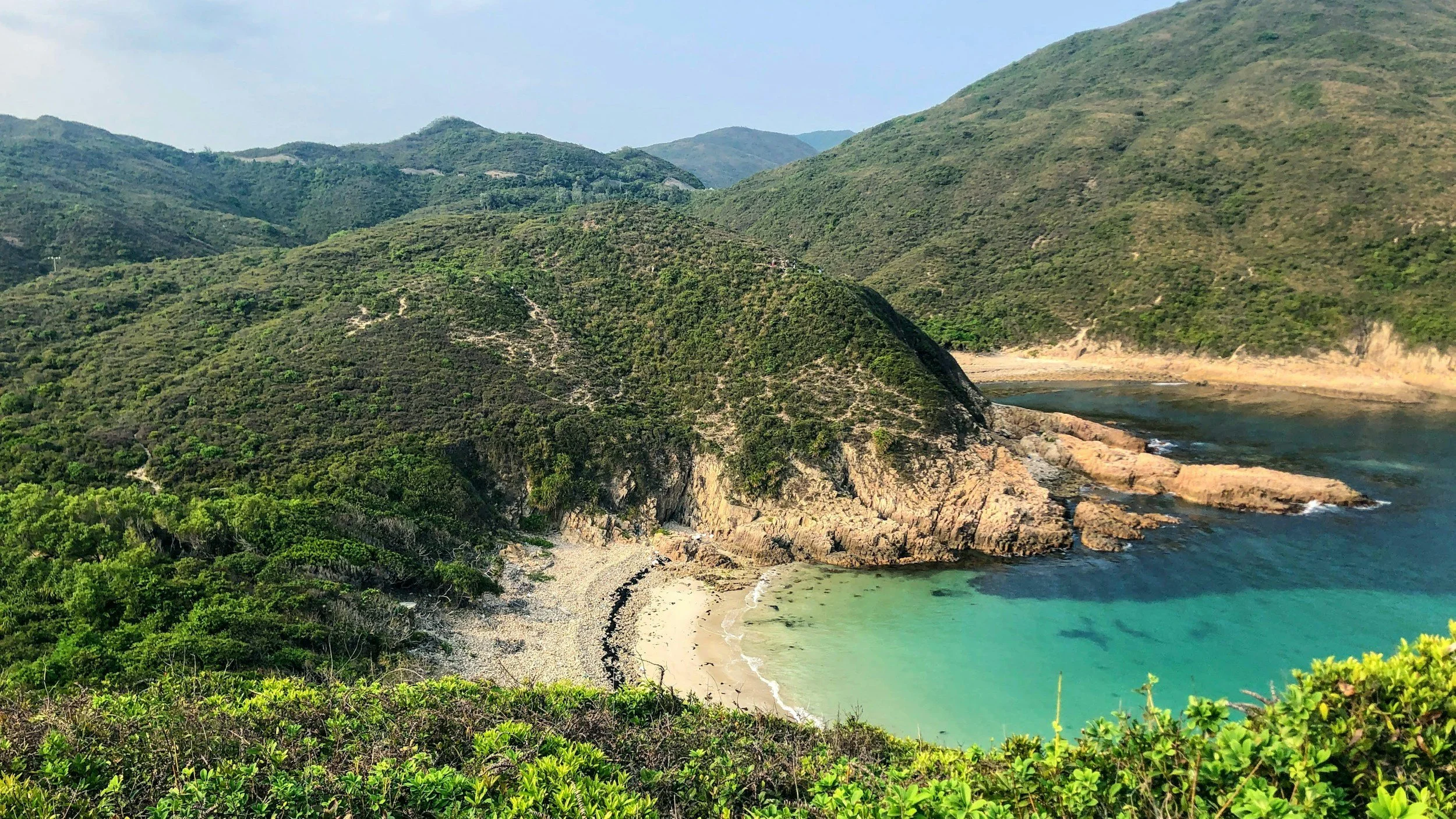
Don’t have that much time in Hong Kong but still crave some adventure sports? Try an island-hopping cruise on a yacht, which often includes lunch and snorkelling, kayaking or paddle-boarding opportunities – ideal for watersports enthusiasts. Tours typically depart from Sai Kung Pier and last around 6-8 hours, so plan your time accordingly. For travelers desiring a quieter change of pace without breaking a sweat, nearby there’s also the Jockey Club Kau Sai Chau Public Golf Course, which features three manicured courses, all showcasing splendid views of Hong Kong's winding waterways.
PRO TIP: Public transportation options to the country park can sometimes be limited, so check times carefully or splurge for a private tour.
18. Work on your tan at the beach
Hong Kong might be famous for its glistening skyline, but it also abounds with beautiful beaches, perfect for a break from the urban buzz. Find the sandiest shorelines to the south of Hong Kong Island, such as Big Wave Bay (a bustling surfers’ hub sprawling 86 meters and complete with toilets, a watersports centre and a fast-food kiosk) and Shek O (a family-friendly waterfront featuring umbrella rentals and a restaurant) right to its south.
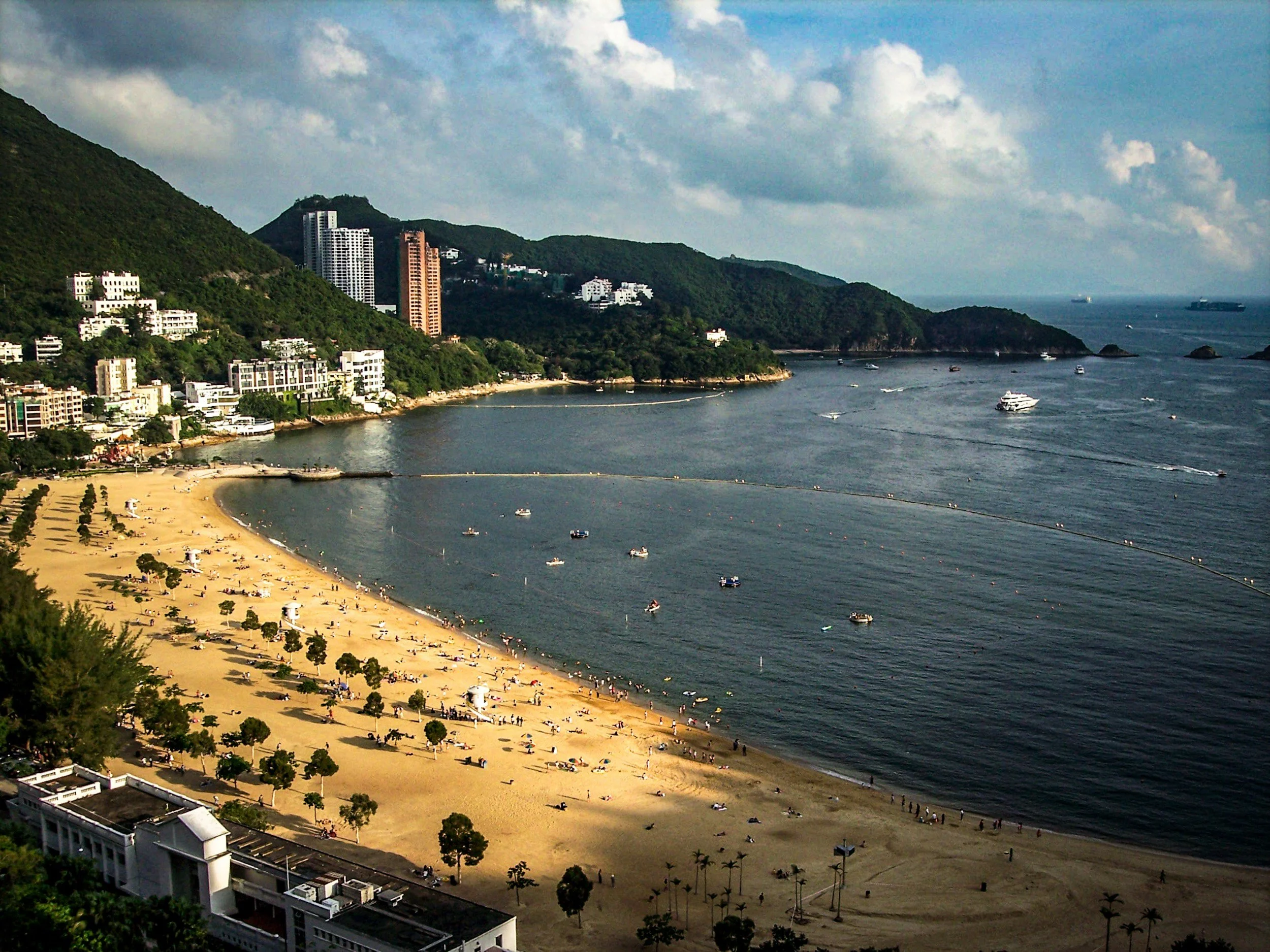
Heading east, there’s Turtle Cove (a quieter spot with crystalline waters and changing rooms), Stephen’s Bay (whose facilities include showers and BBQ pits), South Bay (which provides visitors with shower and BBQ facilities), Repulse Bay (stretching almost 300 meters and surrounded by dining options), plus Deep Water Bay where you can swim at your own risk (though lifeguards are typically on duty during weekdays until sunset).
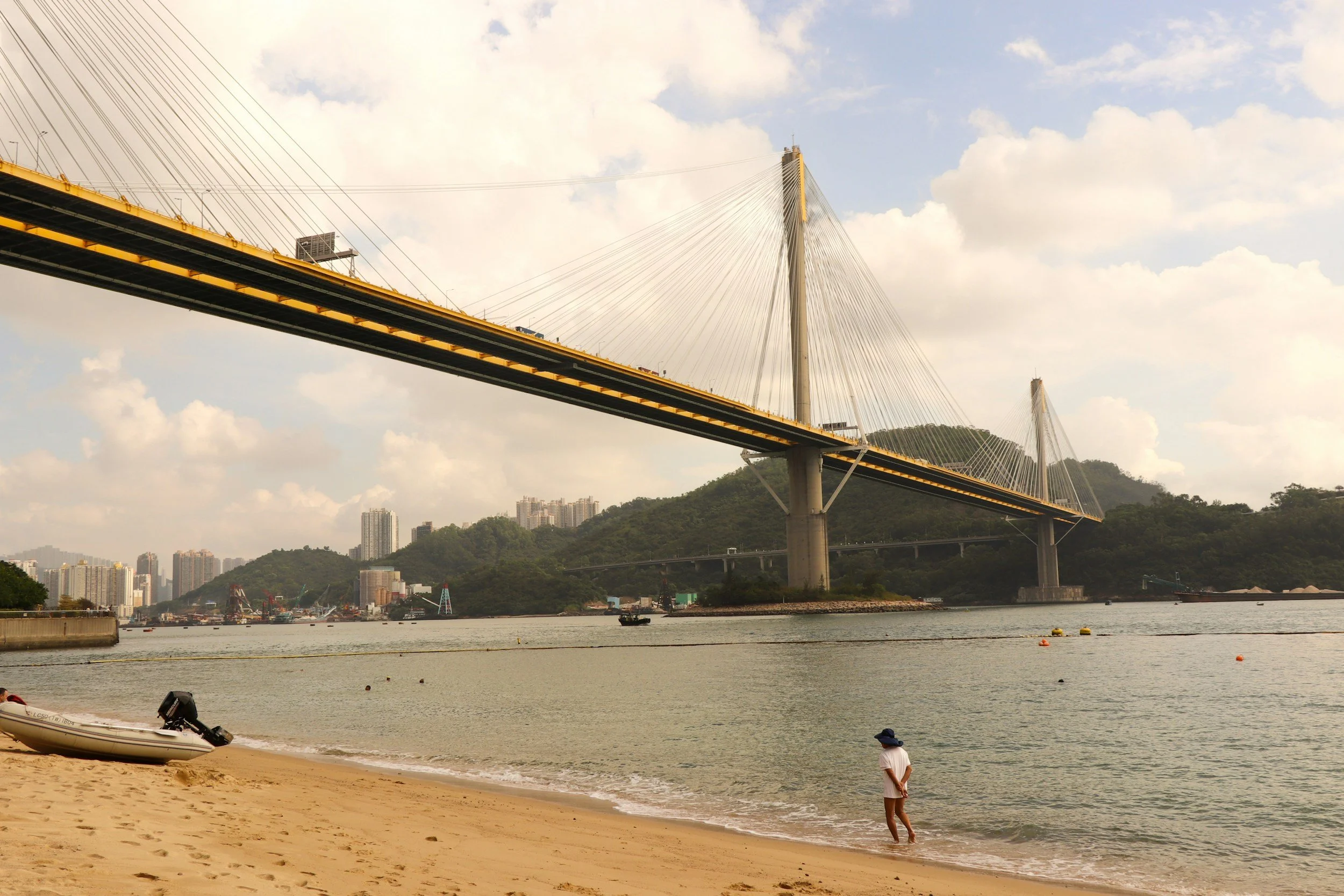
If you prefer to stay on the mainland, Clear Water Bay lives up to its name, Trio Beach hides a secluded cove only accessible by hiking or ferry, and Golden Beach sports volleyball courts and snack bars to refuel between matches. Still, Hong Kong’s biggest beach lies on the distant shores of Lantau Island as Cheung Sha Beach spans a whopping 3 km of fine, white sand for as far as the eye can see. Lower Cheung Sha boasts liveliers vibes thanks to its beachfront restaurants and sports center while Upper Cheung Sha might be better for travelers in search of a peaceful refuge. Come for the sun, stay for the Vitamin Sea – you’ll have a basetan in no time!
PRO TIP: Hate the sand but love the sea? Sai Wan Swimming Shed is a popular stop for photographers and swimmers alike, allowing direct access to the open sea. Just keep in mind that it takes several steps to reach its pier, and what goes down will eventually have to go all the way back up, so travel light.
19. Find thrills at Hong Kong’s best adventure parks
Whereas Japan is home to Disneyland and Singapore has Universal Studios, Hong Kong sports both Disneyland and Ocean Park, the latter of which acts as its signature attraction for a fraction of the price of the former. Nestled in Wong Chuk Hang on the island’s southern shore, the 90-hectare adventure park is divided into two zones: Waterfront (suited for nature lovers) and Summit (ideal for adrenaline junkies), connected by a cable car and outdoor escalator. Ocean Park hosts all the amenities you could dream of, from a bevy of roller coasters and water rides to copious wildlife exhibits (showcasing pandas and marine animals) and live performances.
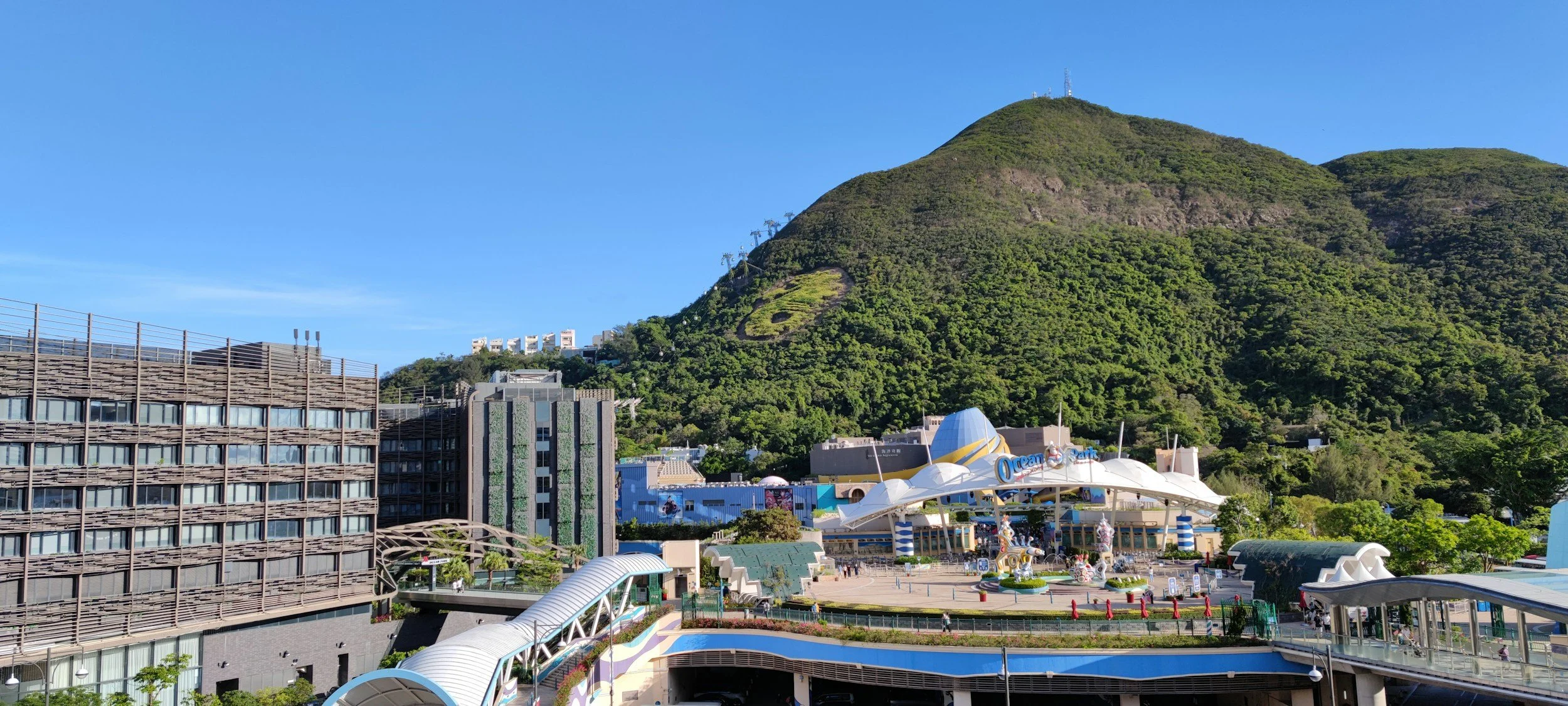
Open from around 10 AM to 6 PM, you’re in for a full day of thrills and excitement, complemented by scenic views and fun atmosphere. General admission tickets are reasonably priced compared to Western standards and grant access to most attractions, but if money is no issue, upgrade to Ocean FasTrack passes to avoid the hordes likely to descend by mid-day. To make the most of your time, head to Summit first to hop on all the best rides, like Hair Raiser, Arctic Blast, Wild Twister and Whirly Bird, before working back to Waterfront to enjoy its nature exhibitions, ranging from a jaw-dropping aquarium to a sloth habitat. Can you say, ‘photo-op’?
PRO TIP: Make it a family affair since entry is only half-priced for children between 3-11 years old, and infants and toddlers get in for free. You might as well enjoy it while they’re young!
20. Get the best views at Hong Kong Observation Wheel
Situated near Central’s harbourfront, the Hong Kong Observation Wheel is a must for any traveller to the city. The Ferris wheel stands 60-m tall with 42 air-conditioned gondolas seating up to 8 people and one VIP glass-bottomed gondola. Each passenger brave enough to hitch a ride upward is graced by unrivaled views of the skyline for about 15 minutes as the wheel spins 2-3 times. While the ride might be short, tickets are cheap compared to similar observation wheels around the globe (here’s looking at you, London, Singapore and Budapest), especially for the 5th best vantage point in the city (after Ozone Sky Bar, Sky Terrace 428, Sky100, and The Peak, respectively), yet only for a fraction of their costs.
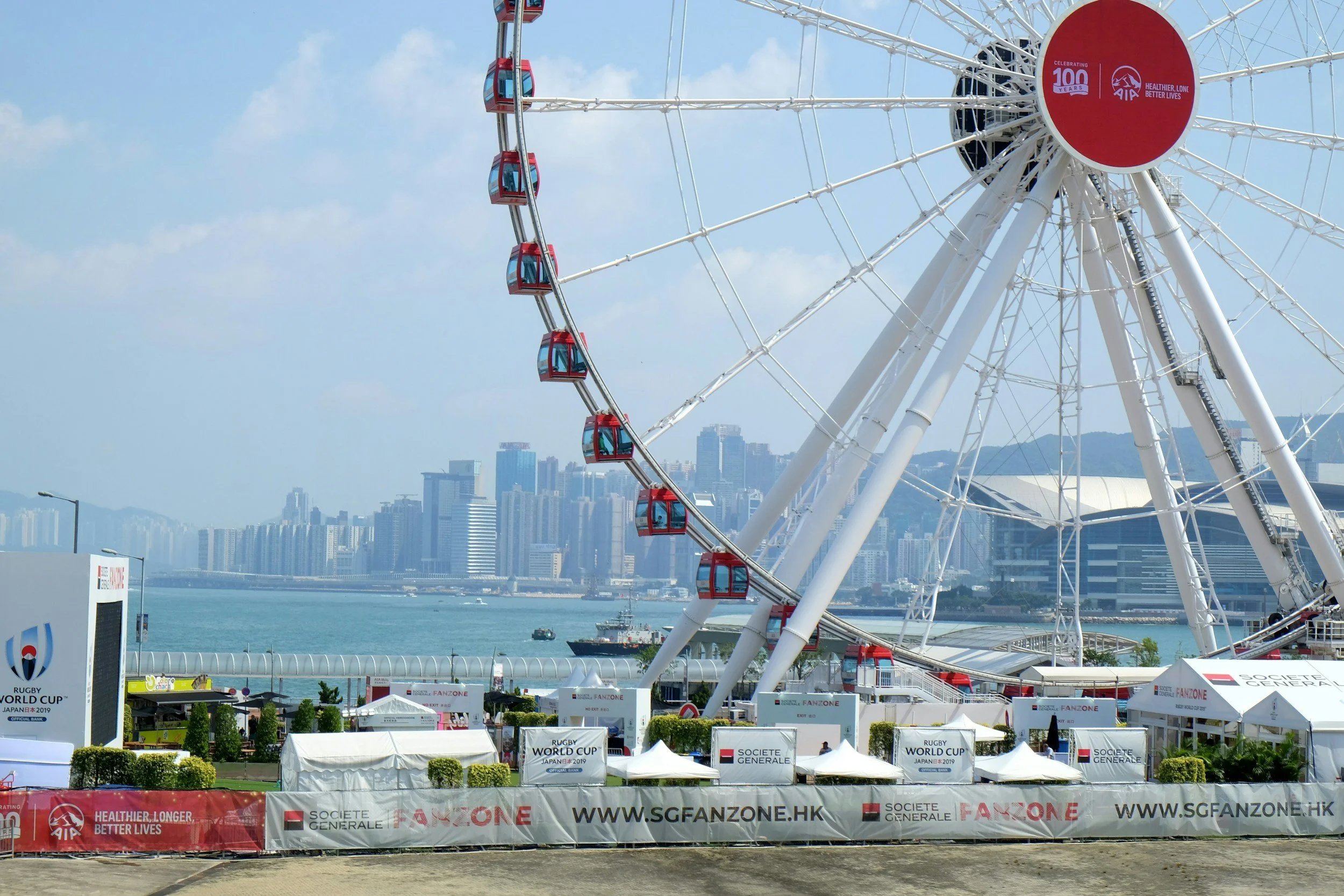
Open daily from about 11 AM to 11 PM, the wheel comes alive after sunset, lighting up to create even more vivid visuals. Since it’s smack dab in Central, pair your spin with a stroll through the surrounding AIA Vitality Park, often hosting live events and food stalls, for a fun activity that doesn’t break the bank. Then, amble along the waterfront to take in all the city’s lights as they begin to glow in the twilight.
PRO TIP: After that balancing act, check out AIA Vitality Hub (an extension of AIA Vitality Park) that specializes in health and wellness courses in case you need to refind your center.
Final Thoughts
For such a small enclave, there’s so much to do in Hong Kong, placing it at the top of the list for any travel seeking immersive cultural and culinary experiences. The sky is (literally) the limit with some of the tallest skyscrapers in Asia, and since the region isn’t subject to the same restrictions as the rest of mainland China, your international SIM card should let you access most social networks. Thus, you can rest assured that you won’t want for anything in one of the safest cities in the world.
Book accommodation on Hong Kong Island if you don’t mind commuting to the mainland and prefer a more pedestrian-friendly environment, with the trendiest neighborhoods including Central (specifically around Soho) and Causeway Bay. Comparatively, the Kowloon Peninsula offers some of the most affordable options as well as access to the most famous landmarks, such as the Hong Kong Museum of Art and Chi Lin Nunnery. Stay in districts like Tsim Sha Tsui, Yau Ma Tei and Mong Kok since they’re all centered around subway stations, making getting around a breeze. No matter if it's your first time in Hong Kong or not, the city is bound to hold an uncovered treasure trove for any visitor. While you may eventually leave the city, the experience is sure never to leave you.
Write me when you get there,
M