
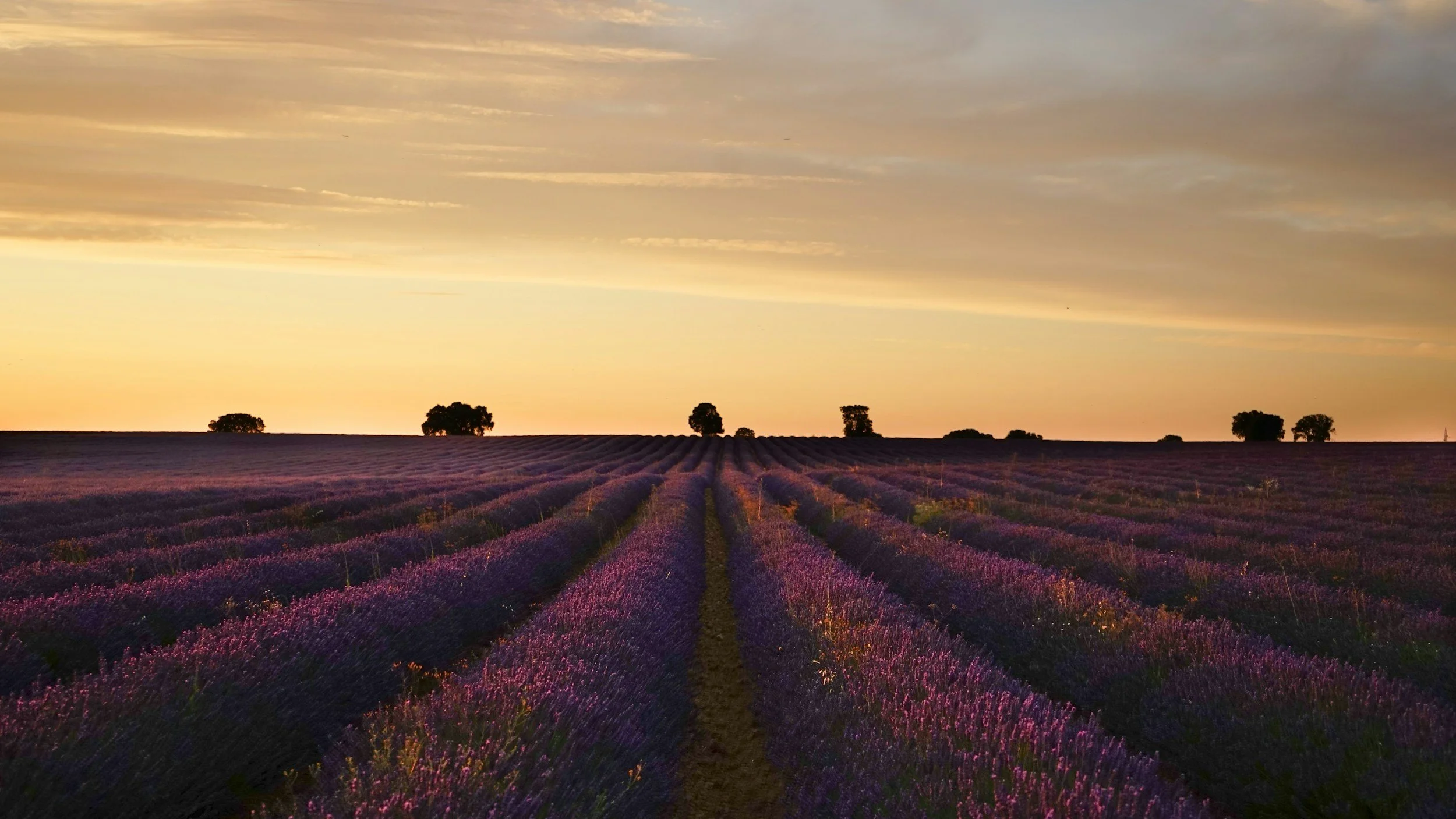
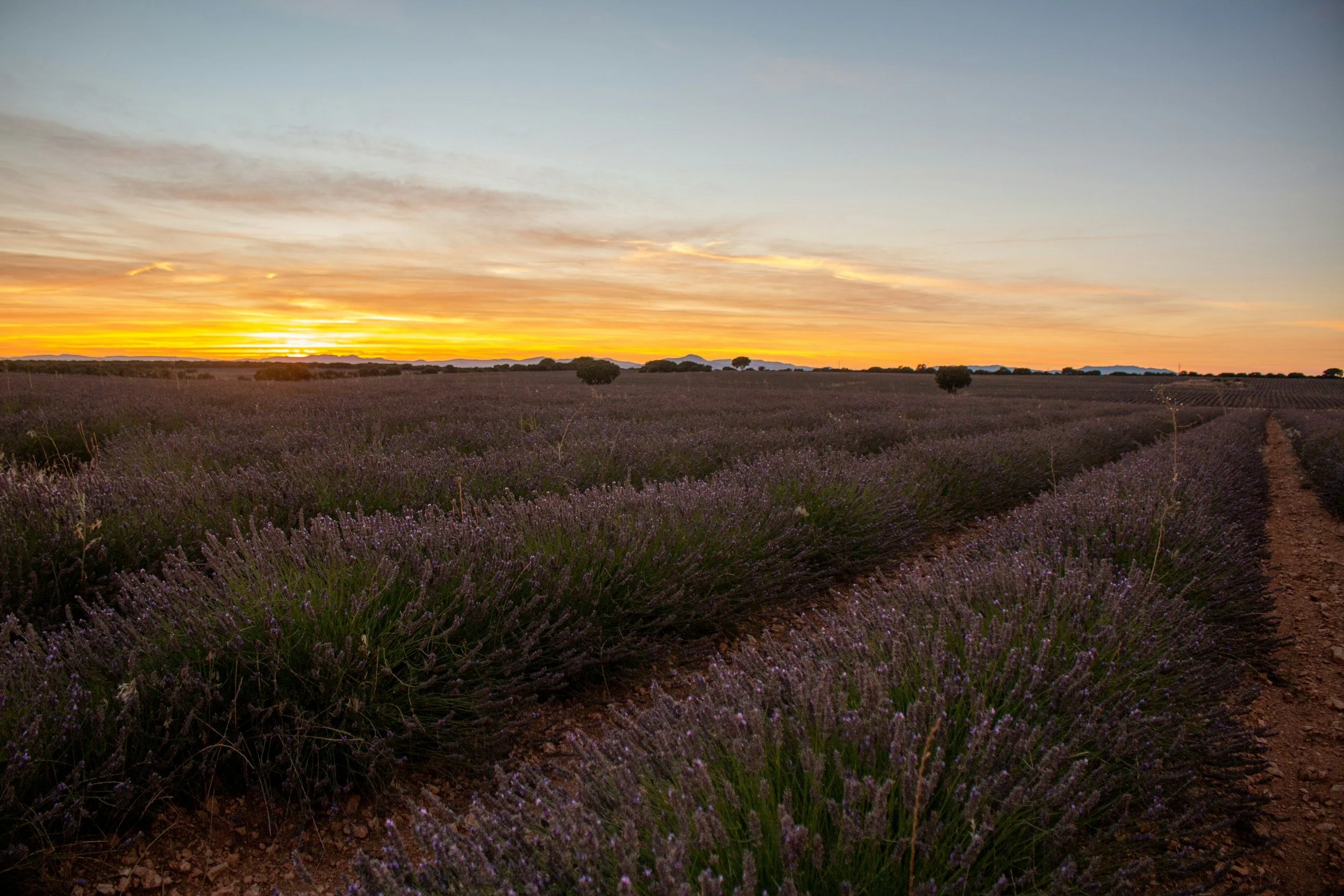
Every summer like clockwork, the fields surrounding Brihuega transform into a lush landscape bathed in a lavish shade of lavender. Nestled just an hour outside of Madrid, the town has earned the nickname, the "Provence of Spain," but there is more to this Castilian community than meets the eye. If you're planning to see the lavender fields for yourself, we’ll uncover everything you need to know about visiting Brihuega, including when to go, how to get there, where to stay and what else to see while you're in town.

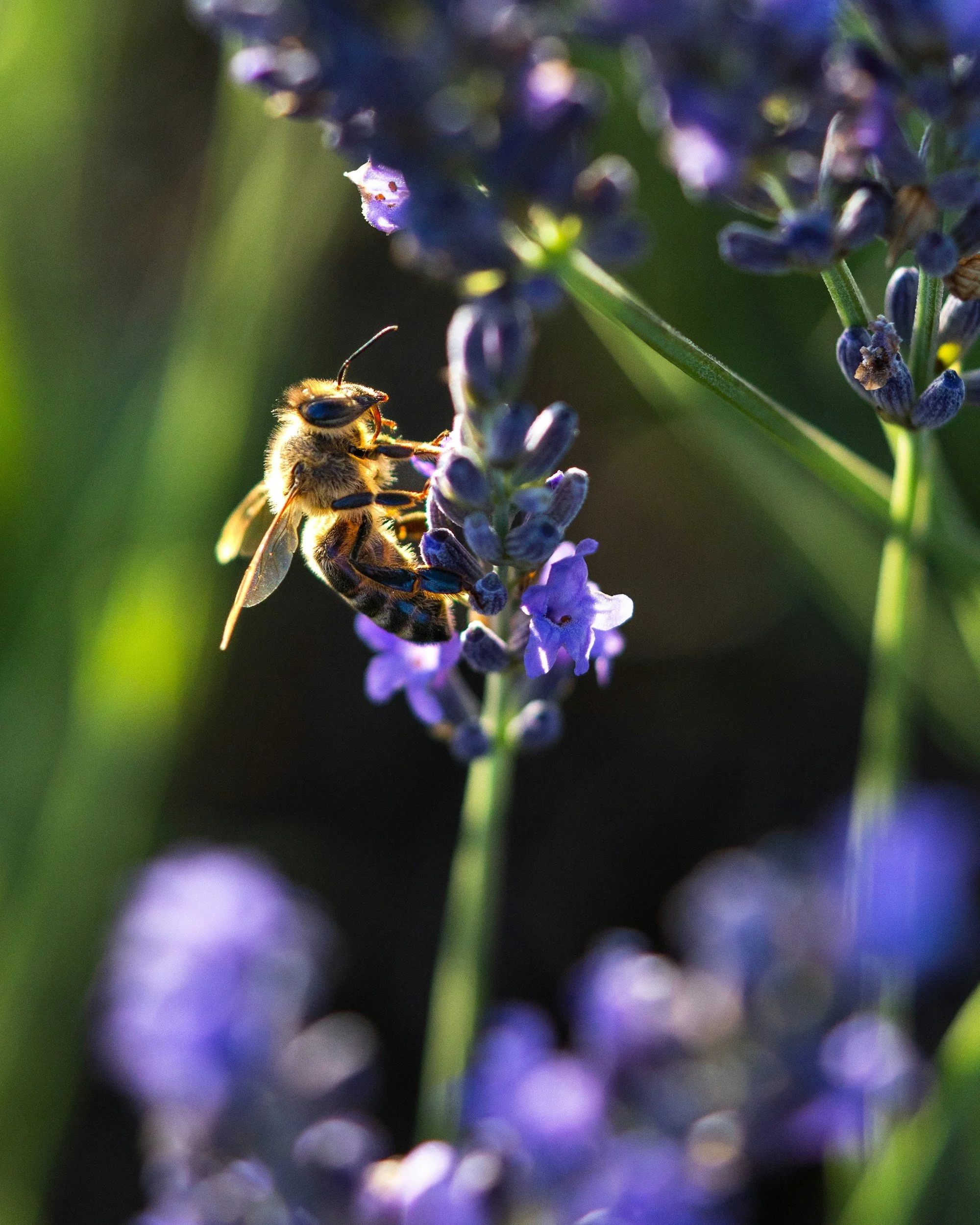
For several weeks, endless rows of purple-coloured blooms adorn the Spanish countryside, filling the air with their unmistakable fragrance and attracting travellers from across the world, including photographers and nature lovers. Still, behind each photograph is a fascinating story of rural revitalisation since lavender cultivation has become part of Brihuega's cultural identity, offering curious travellers locally-produced goods and guided field visits as well as an annual Lavender Festival. Are you ready to stop and smell the flowers?
The History
In comparison to Provence, France, which has long been celebrated for its purple-hued blooms, Spain’s journey into lavender cultivation only stretches back to the 1960s when agriculturist Álvaro Mayoral travelled to Provence and fell in love with the aromatic flora. Vowing to bring the same beauty to Spain, the pioneer soon introduced the first seedlings to his region of Guadalajara, starting with only 100 plants before expanding to over 40,000 in just a few short years. Over the next decades, he would also convince neighbouring farmers to replace their traditional crops of cereals and legumes since lavender production was more profitable and less intensive both labourally and time-wise.
However, large-scale cultivation wouldn’t really took off until the 2000s once another agriculturist, Andrés Corral, also travelled to Provence and came to the same conclusion as Mayoral. Realising that the climate and soil around Brihuega were perfect for lavender production, Corral worked with famed perfumer Emilio Valeros to create the first plantations which encompassed only about 600 hectares. It was actually Valeros, already acclaimed for his work with international powerhouse Loewe, who worked hand-in-hand with local farmers to teach them how to distill lavender into essential oils, leading to an economic boom.
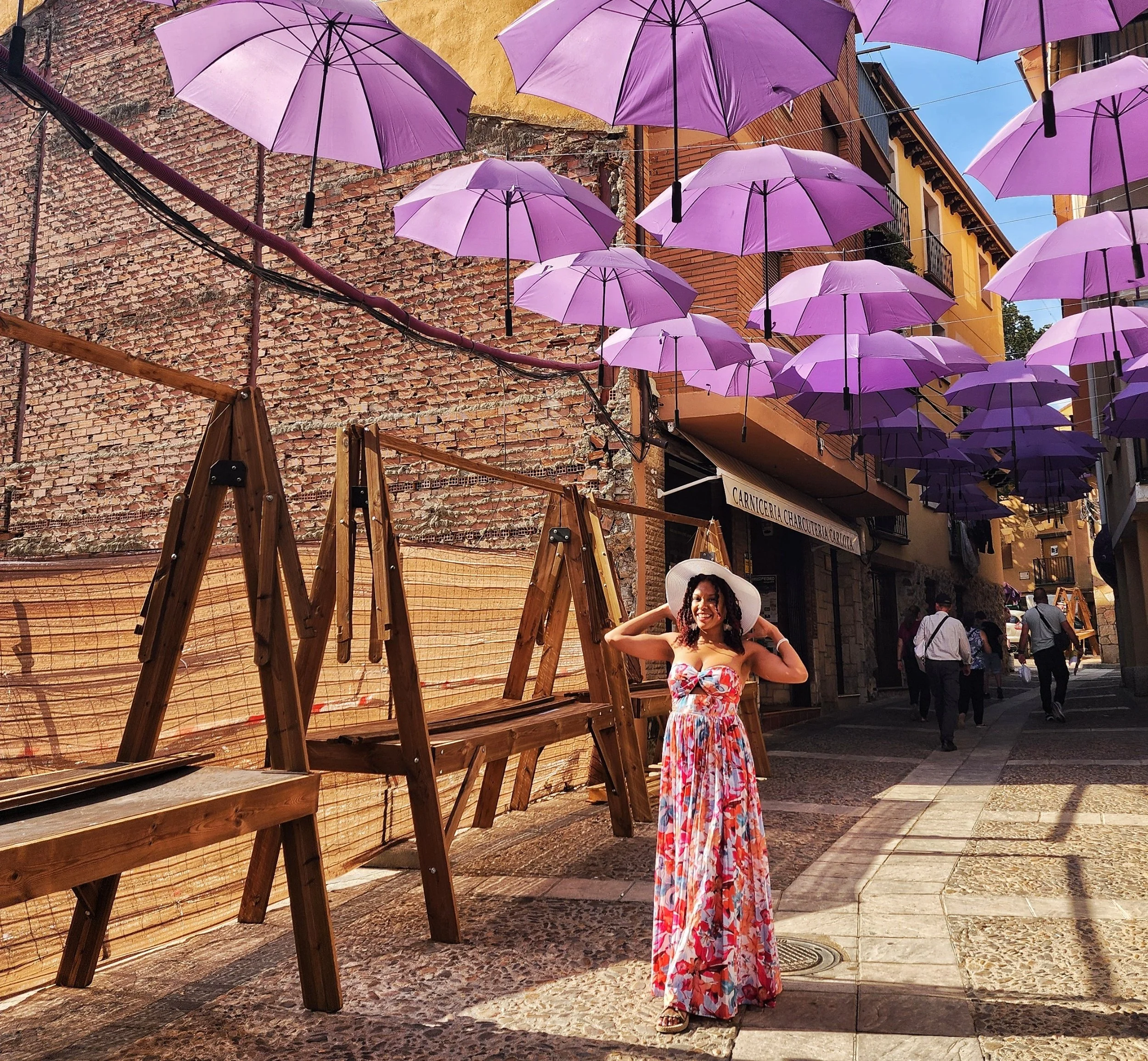
These days, Brihuega is home to over 10,000 hectares, outpacing France in terms of lavender production while still being a fraction of the size. In the 2010s, the first official Lavender Festival was established, where visitors are encouraged to explore the expansive fields and learn about the region’s proud farming heritage. Apart from lavender-lined lanes that are both a visual and aromatic feast, the festival is also a gastronomic experience, where market stalls sell not only handmade goods but also lavender-infused fare from coffee to donuts.
Additionally, other highlights which shouldn’t be overlooked are the musical concerts featuring renowned local artists right in the heart of the flowering fields, along with hot air balloon rides that pass over the captivating countryside. Even if you’re only in Brihuega for the photo opp, you’ll definitely be tempted to put down roots for the vibes alone. Come for the lavender fields, yet stay for the story.
How to Get to Brihuega
From Madrid, getting to Brihuega is a breeze as the town is located approximately 90 km away. Thankfully, the Spanish capital is well-connected to other cities via reliable public transport and properly maintained roadways, so you have a few options for reaching the lavender fields. While travelling by car provides visitors with more flexibility, there are guided tours that will also take you there in about the same amount of time.
By car
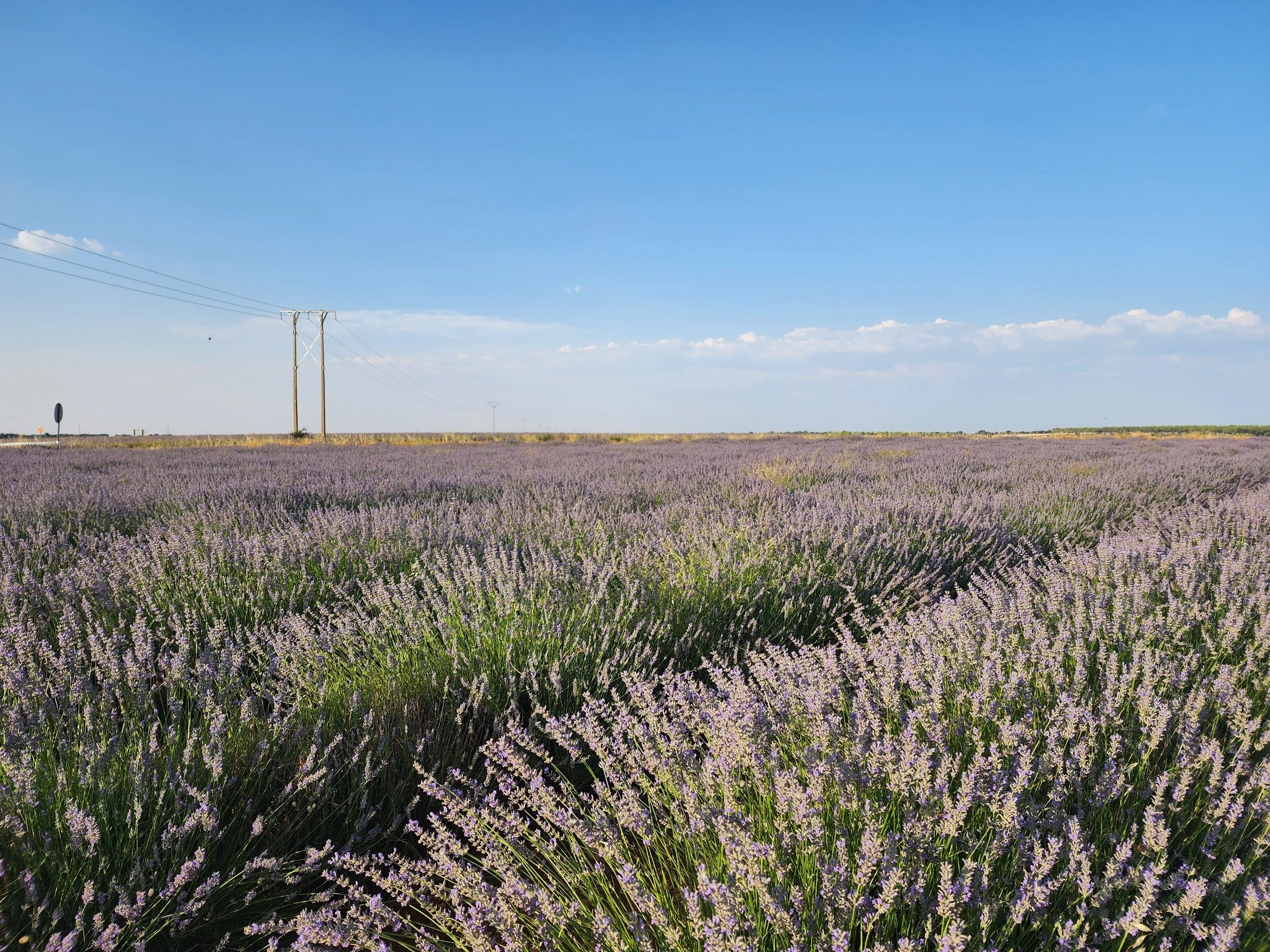
For visitors who prefer slow travel, the best option would be arriving by car since you can then take your time exploring the town and its sites while stopping along at viewpoints on your way to the lavender fields just a few kilometers north. Starting from the city centre near Atocha Train Station, head north on Paseo del Prado until you reach Fuente de Neptuno and turn east onto Calle Felipe II. Then, in a few blocks, turn north onto Calle Alfonso XII and finally east again onto Calle O’Donnell.
Follow the path until you get onto the M-23 highway and eventually take the M-40 exit toward M-23/Vicálvaro before merging onto M-40 toward Aeropuerto/A-2/Zaragoza/R-2/A-1/A-6. In a few kilometers, take exit 9BA for M-14 toward E-90/A-2/Zaragoza/M-30/Avenida de America/Aeropuerto and continue onto M-14. In another kilometre, take exit 1 for E-90/A-2 toward Zaragoza and merge onto A-2. Keep on the A-2 for the next 60 kilometres until you reach exit 73 for CM-2011 toward Torija/Brihuega/GU-190/Torre del Burgo. Finally, follow CM-2011 to Calle Cadena leading into Brihuega.
There’s plenty of free parking spaces throughout the town but the best spots are around Parque de María Cristina, located right in the centre (check parking restrictions here). Parking is first-come, first-served, but in case those spots are all full, you can also park near Plaza de Toros or Camino Bajo de Villaviciosa. Once you’re done exploring the town, drive to the lavender fields by taking the CM-2005 northward a couple of kilometres until you pass Monumento a la Batalla de Brihuega and then park at the first open field you come across. If heading to the Lavender Festival concerts, stop at KM 37 to gain access to those events. The total journey by car is approximately 1 hour 15 minutes, depending on traffic.
By bus
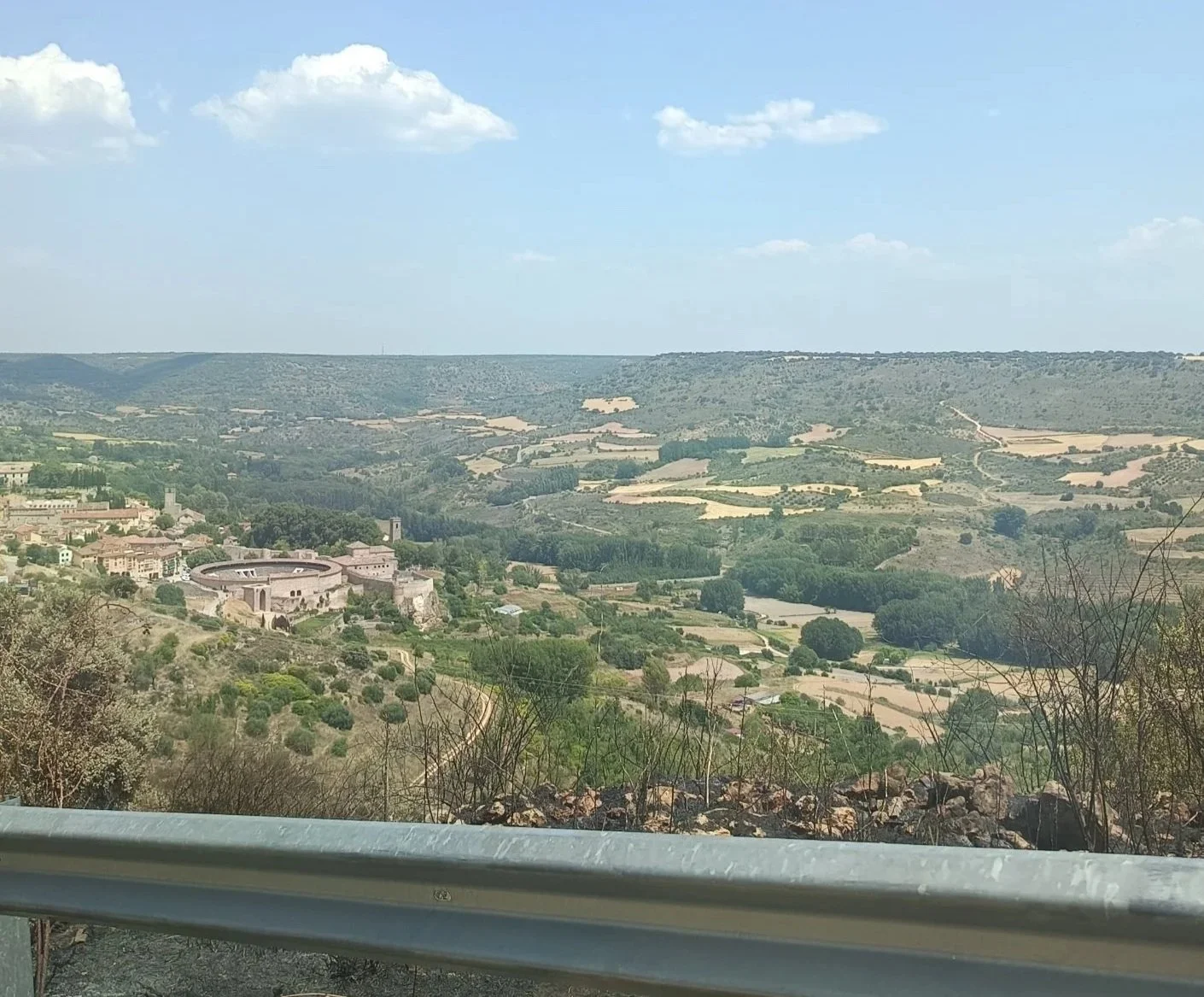
While public transport options are a bit limited between Madrid and Brihuega since they’re based in different autonomous communities, there are plenty of bus lines from Guadalajara, leaving from either the main bus station, train station or hospital (see here timetables). However, the bus will only get you to Brihuega’s town center, with the lavender fields still located a few kilometres away so be prepared to walk or hire a taxi.
However, in Madrid, there are many operators providing tours to the town and back, such as Madrid Urban Vibes, Travel Vibes and Viajamos Travel. Packages usually range between 30-60€ and often include a guided tour to the town’s most famous landmarks, a visit to a local distillery and free time to explore on your own before heading to the fields. Most tours leave between 2-3 PM from Hotel Mediodia near Atocha Train Station and return around 9-10 PM so schedule yours according to your itinerary.
By train
In celebration of the Lavender Festival, Spain’s official rail operator, Renfe, offers an exclusive Lavender Train, with adult fare costing around 50€. The experience also comes with a guided visit of Brihuega and a tour of Jardín de la Alcarria Distillery before venturing to the lavender fields. Make sure you book your spot as soon as possible since the service only runs twice during the entire festival, making it one of the fast-selling tickets.
Your journey will start Atocha Train Station at about 9-10 AM and continue to Guadalajara Train Station, from which you’ll transfer onto a coach bus for the remaining leg to Brihuega, arriving around 11 AM. After a full day of exploring the town and wandering the flower fields, you’ll head back to Madrid the same way you came by 9-10 PM. Just double-check whether and when Renfe's Lavender Train is operating during your travel year since the service is heavily subject to weather conditions.
When to Visit Brihuega
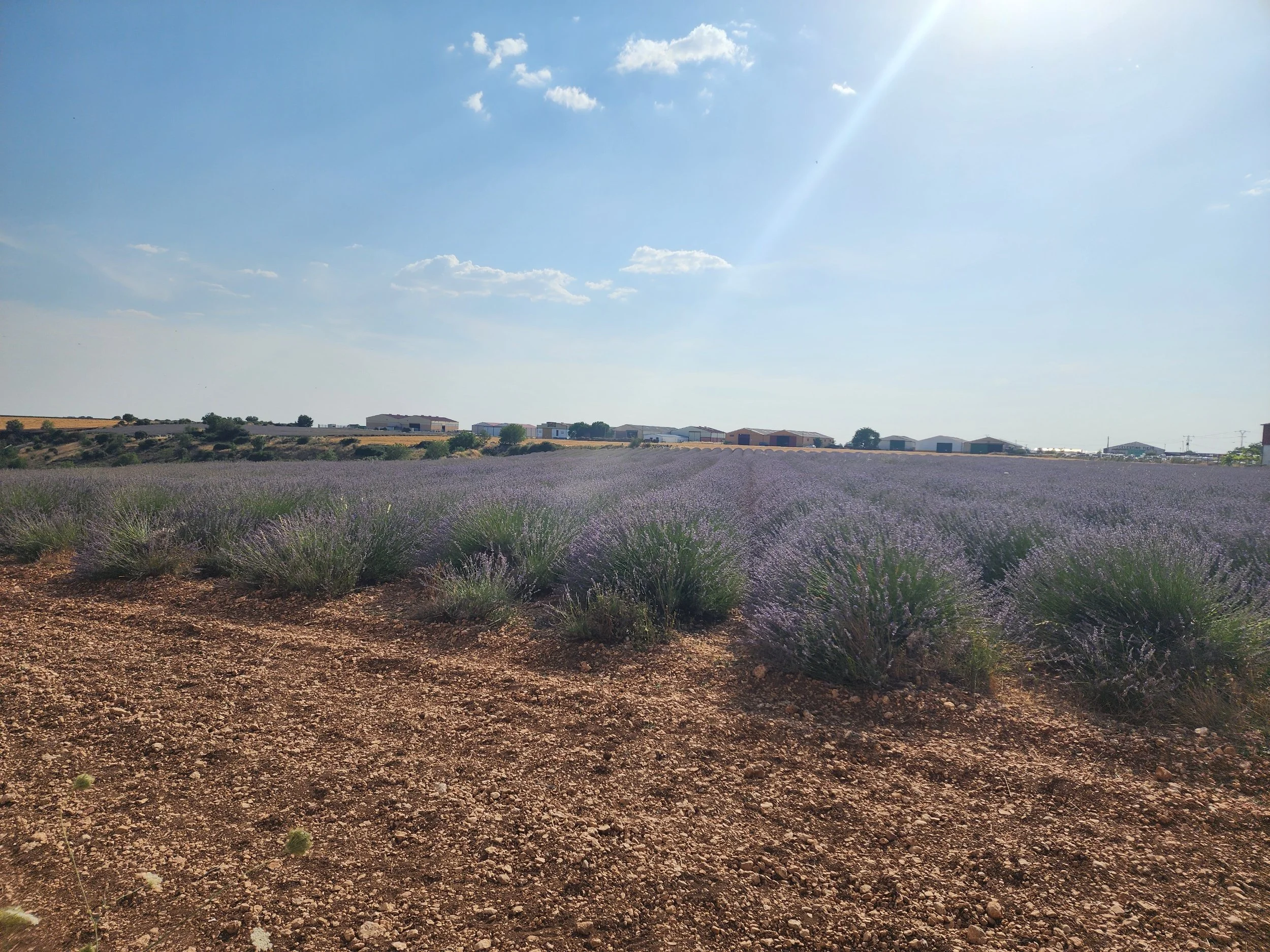
While July is certainly Lavender Season, there’s no guaranteed “peak bloom” date since spring weather conditions determine when the plants flower and when harvesting begins. Normally, the flowers start sprouting between late June to early July, with the brightest blooms arriving in early- to mid-July, so I’d recommend visiting during the second or third week of July. By August, most of the fields will have been harvested of any buds so plan your trip accordingly,
Due to the intense heat of Spanish summers, the best time of day to go is either early morning or late afternoon/evening when temperatures are more comfortable. Most importantly, the fields will also appear at their most spectacular since the lighting is softer. Aim to get there just before the Golden Hour to avoid the harsh midday sunlight ruining your photos.
Visiting the Lavender Fields
Visitors interested in learning more about Brihuega and its lavender cultivation should book a guided visit with its tourism office for a small fee, starting in July from Friday to Sunday between 7-8 PM. Not only will you gain deeper insight into the history of the crop and how it’s harvested, but also into the different varieties of lavender grown and how they’re used for essential-oil production.

For travellers preferring to visit independently, going by car is your best bet, especially if pressed for time. Avid photographers and nature lovers would also do well to skip guided tours since most leave in the afternoon and only allot an hour or so for exploring the fields before heading back to Madrid. Still, spendthrifts can rejoice since most lavender fields in the area can be visited free of charge, along with free parking. Just be respectful of the local flora and keep these factors in mind to visit the lavender fields responsibly:
Stay on designated paths
Don't walk between rows unless explicitly permitted
Don't pick the flowers
Don't damage plants for photographs
Don't leave rubbish behind
Be considerate of farmers and other visitors
Most of these tips might seem obvious, but it’s important to remember that these are working agricultural fields, not theme-park installations, so follow the Golden Rule.
Where to Stay in Brihuega
Even though Brihuega is a rural community with a population of only about 3000 inhabitants, it has quite a few accommodation options for a range of budgets. From fully-equipped apartments to rural guesthouses, you won’t need lavender-tinted glasses to enjoy your stay, but bear in mind that prices tend to fluctuate during the busiest festival dates.
Budget-friendly:
Apartamentos Al-Mamun
For a budget-friendly stay with plenty of space, Apartamentos Al-Mamun offers several self-catering properties in the heart of Brihuega, ranging from apartments for couples and families to a 16-person chalet. The accommodation is particularly well suited to independent travellers who want the flexibility of a kitchen and the comforts of a home away from home. Praised for its spacious interiors, beautiful valley views and proximity to the town’s centre, it’s a practical base for exploring Brihuega.
Apartamentos Flor de Lavanda
Set in the centre of Brihuega, Apartamentos Flor de Lavanda combines the charm of traditional rural architecture with the convenience of modern self-catering accommodation. The six apartments accommodate between two and 30 guests, making this a particularly good option for families or groups travelling together. Highlights include modernised kitchens, air conditioning, rustic interiors and a large communal patio with a barbecue. Best of all, guests also receive a welcome treat from the owners’ artisan bakery. Yum!
Hostal-Restaurante Villa de Brihuega
If you want an affordable hotel stay without sacrificing comfort or location, the Hostal-Restaurante Villa de Brihuega is a strong choice. The recently renovated property has 30 rooms, a café and an onsite restaurant serving seasonal, locally sourced ingredients and traditional dishes with a modern twist. Lauded for its spotless, comfortable rooms, friendly staff, generous breakfast and excellent central location, the combination of accommodation and restaurant also makes it convenient for travellers who would rather not worry about finding dinner after a day exploring the lavender fields.

for larger groups or Families:
Casa Rural Las Murallas
For larger groups, Casa Rural Las Murallas is hard to beat. Perched alongside Brihuega’s historic walls, this spacious rural house has several bedrooms boasting private bathrooms, a large communal living room, a fully-equipped kitchen, private parking and an outdoor patio with barbecue facilities. Thanks to its generous size, comfortable rooms and peaceful location, it’s a particularly attractive option for families or friends planning a weekend in Brihuega during lavender season, with plenty of space to cook, eat and relax.
Casa Rural Blas
Casa Rural Blas is one of Brihuega’s well-loved rural stays.due to its cleanliness, comfortable beds, central location and exceptionally welcoming host. The property expertly combines traditional character with modern comforts, including a garden, terrace, barbecue facilities and selected rooms with balconies and hydromassage baths. It’s particularly versatile for families and groups since the entire house can accommodate up to 20 guests across nine bedrooms, while smaller rooms are also available for couples. For a homey stay where hospitality is part of the experience, this is a standout choice.
Casa Rural La Cadena
Located on Calle de la Cadena in the historic centre, Casa Rural La Cadena is an intimate accommodation with an excellent reputation for its location, large rooms, cleanliness, service and value for money. Its central position makes it especially convenient for exploring Brihuega on foot, while its traditional character gives it a more personal feel than a conventional hotel. It’s a good option for travellers wanting charm, convenience and a quieter home-style atmosphere.

Luxury & wellness:
Hotel Spa Niwa
If your idea of a lavender-field getaway involves plenty of pampering, Hotel Spa Niwa is the place to book. This boutique hotel combines elegant rooms overlooking its gardens with a dedicated spa featuring a thermal hydromassage pool, Finnish sauna, Scottish showers and Turkish baths, alongside massages and wellness treatments. There’s also a garden, indoor pool, gym and private parking. The hotel’s current "Lavender Lovers” package combines visits to the lavender fields with spa and oriental wellness experiences, so it’s no wonder that the hotel is consistently hailed for its intimate atmosphere, comfortability and scrumptious breakfast.
Princesa Elima
This charming two-star hotel offers spacious rooms decorated with subtle Arabian-inspired touches, many with views across the surrounding Castilian countryside. Princesa Elima’s location is unmatched since it sits opposite the Carlos III Gardens and is around five minutes on foot from Brihuega’s main square. There’s also a family apartment with a small kitchen, making it a useful option for those travelling with children. Highly regarded for its cleanliness, comfortable rooms, and friendly staff, the onsite restaurant adds another reason to stay, thanks to its unique menu.
Castilla Termal Brihuega
Housed in the historic Real Fábrica de Paños, Castilla Termal Brihuega occupies an 18th-century industrial building transformed into a luxurious five-star hotel, complete with a resplendent estate overflowing with greenery. Featuring an onsite spa, spacious rooms, indoor and outdoor swimming pools plus an excellent buffet-style breakfast, there’s no better place to stay in Brihuega if you’re looking to live in the lap of luxury. Its combination of historic architecture, contemporary wellness facilities and beautifully landscaped grounds makes it particularly appealing for a romantic weekend or indulgent lavender-season escape.
More Things to See in Brihuega
Given that the lavender fields are the biggest draw for most visitors, other gems within Brihuega are often overlooked. Nonetheless, there are a few sites that should be at the top of your itinerary for a more in-depth cultural experience since you can easily visit the fields in only a couple of hours.
Your first stop should be Plaza del Coso, the town’s main square and a great starting point for exploring the Old Town since it’s surrounded by historic buildings and offers access to some of Brihuega's top attractions. Nearby, you can also find Cuevas Árabes, an ancient cave system that passes right underneath Plaza del Coso, where you’ll be transported back in time while exploring almost 700 metres of tunnels currently open to the public.

Brihuega’s historic centre is also enveloped by nearly two kilometres of medieval walls intercut with gateways such as Arco de Cozagón, Puerta de la Cadena and Puerta del Juego de Pelota. Within these walls, you’ll also encounter Castillo de la Peña Bermeja, a 13th-century castle complex encompassing a municipal cemetery as well as the Gothic chapel of Santa María de la Peña. San Felipe and San Miguel are two more notable churches that should be on your radar thanks to their stunning Romanesque architecture.
One Renaissance-era relic worth visiting is the former San José convent, situated near Plaza de Toros. Erected in the early-1600s, the estate is now home to the Museo de Historia, Brihuega’s main museum which covers its entire history, including its role in the War of the Spanish Succession, the Spanish Civil War, and the legacy of the Royal Cloth Factory. You can also find out more about the town’s bull-running traditions before checking out the Museo de Miniaturas del Profesor Max, located in the same complex. This quirky museum contains thousands of miniature objects and artworks, including an exemplary reproduction of Leonardo da Vinci's The Last Supper painted on a single grain of rice.

Next, head over to Real Fábrica de Paños, one of Brihuega's most impressive landmarks. This 18th-century establishment was once the Royal Cloth Factory, reflecting the town's industrial past, and now functions as a luxury hotel. Its botanical gardens are particularly breathtaking and provide panoramic views over the Tajuña valley from Mirador del Tajuña.
Before venturing to the lavender fields, your final stop should be Jardín de la Alcarria Distillery, one of the most well-known lavender producers in the area. Visit their installations during the lavender season to see how the plant goes from cultivation to essential-oil production, as well as how the machinery and distillation process function. Though there are other distilleries offering similar tours, this was my personal favourite for their well-stocked souvenir shop alone (often with better prices than you’ll find at market stalls).
To be updated:
In June 2026, Brihuega's town hall announced that construction had been completed on the future Lavender and Perfume Museum, located in the former San José convent. The first phase cost €710,000, with the total project expected to reach approximately €1.1 million after the immersive museography is completed. However, (like all things related to the Mediterranean lifestyle) more information about this new museum is still forthcoming so this article will be updated once the Museo de la Lavanda y el Perfume is fully open to visitors.
Other Attractions in the Area
If you’re taking a road trip across the Spanish countryside, there are plenty of picturesque places to visit between Madrid and Guadalajara. Brihuega sits within La Alcarria, a verdant region beloved for its fauna and flora, including olives, honey and lamb. The natural landscape was famously lauded over by Spanish writer Camilo José Cela in his travel writing, and for good reason, since the Tajuña valley as its heart also offers unbeatable hiking trails. You can also visit Guadalajara, another city recognised for its sprawling history and Renaissance architecture. You can even get here without a car, thanks to the multiple train and bus lines that connect it to the capital.
My top recommendation would be stopping at Sigüenza, a charming medieval town featuring a centuries-old castle-turned-hotel, a Romanesque cathedral complete with a rose window, plus the Museo Diocesano, popular for its religious art. Better yet, just south of the town is Barranco del Rio Dulce Natural Park, consisting of waterfalls, hiking trails and limestock rock formations – a nature lover’s paradise.
No matter where you go in the Alcarria countryside, spend two or three days in the province rather than treating Brihuega as a quick photo stop. Rather than rushing in, photographing the fields and leaving, why not explore the nearby villages, eat locally and stay overnight? There’s nothing more quintessentially Spanish than enjoying life at a slower pace.
Final Thoughts
In July 2026, I was fortunate enough to visit Brihuega as the Lavender Festival celebrated its tenth anniversary with a list of events throughout the town and accompanying fields. If you plan to attend, keep in mind that concerts take place among the lavender fields around Malacuera–Olmeda del Extremo, right where the Battle of Brihuega was fought in 1710 during the Spanish War of Succession. Thus, the best way to discover the "Garden of La Alcarria" is by travelling by car to make the most of your visit. Still, while Brihuega may be famous for its purple-coated fields, the lavender is only part of the story. What makes this rural community particularly interesting is the way an agricultural crop has become intertwined with its local identity, tourism and rural development.

Beyond the photographs, there is a medieval town to uncover, an industrial heritage to discover, and enough essential-oil production to make sure you recover from all that walking around. The vibrant landscape also rewards travellers willing to slow down and stay awhile longer. If you're visiting from Madrid, Brihuega can easily be experienced as a day trip, but staying overnight gives you more time to experience the lavender fields at their most beautiful, right around sunrise or sunset. Come for the lavender, but don't leave without discovering Brihuega itself. That's where the real charm of this little corner of Castilla-La Mancha begins.
Write me when you get there!
M